The Highlands in March - Part 2
From Skye to Fort William
Day 4
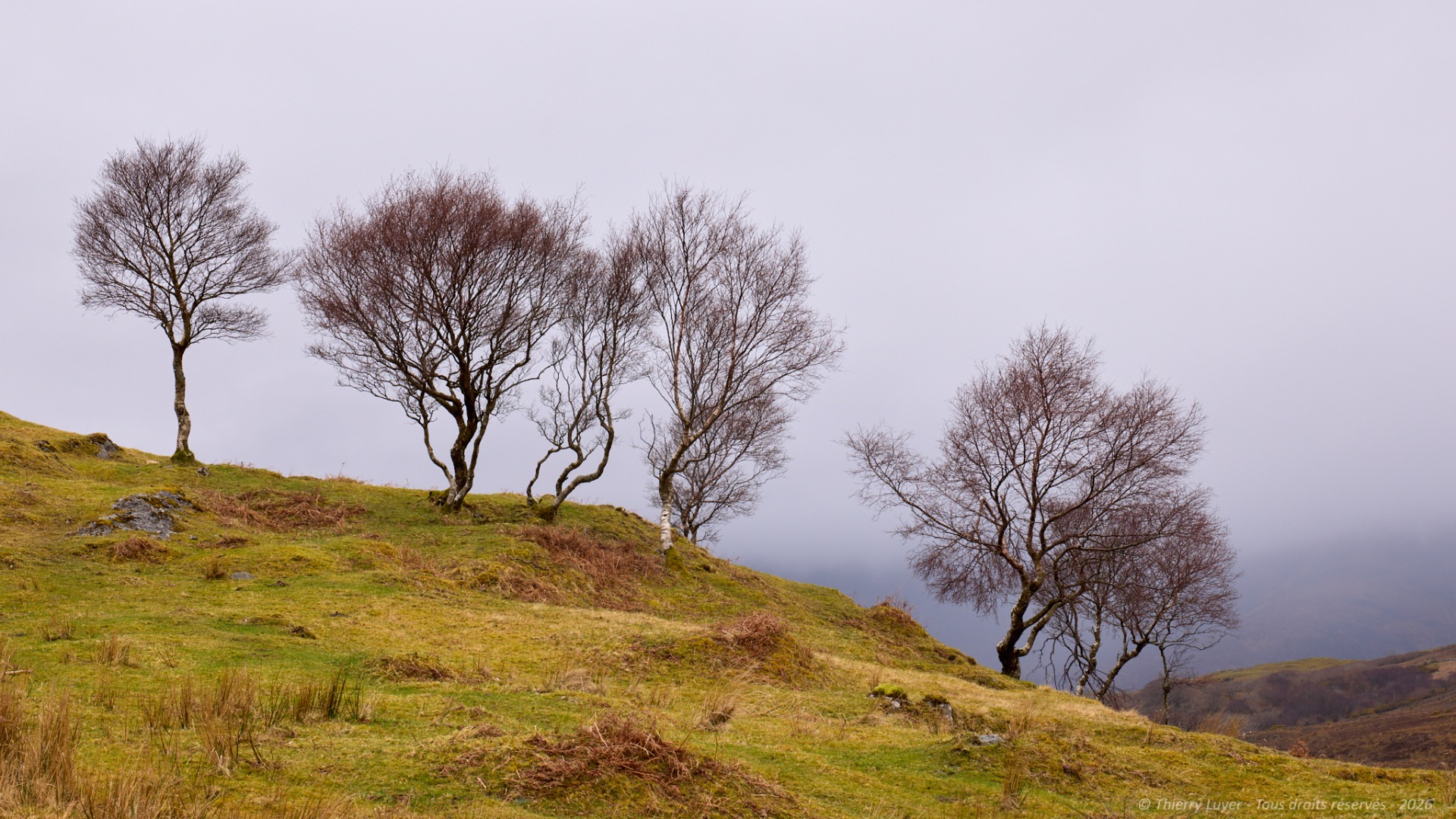
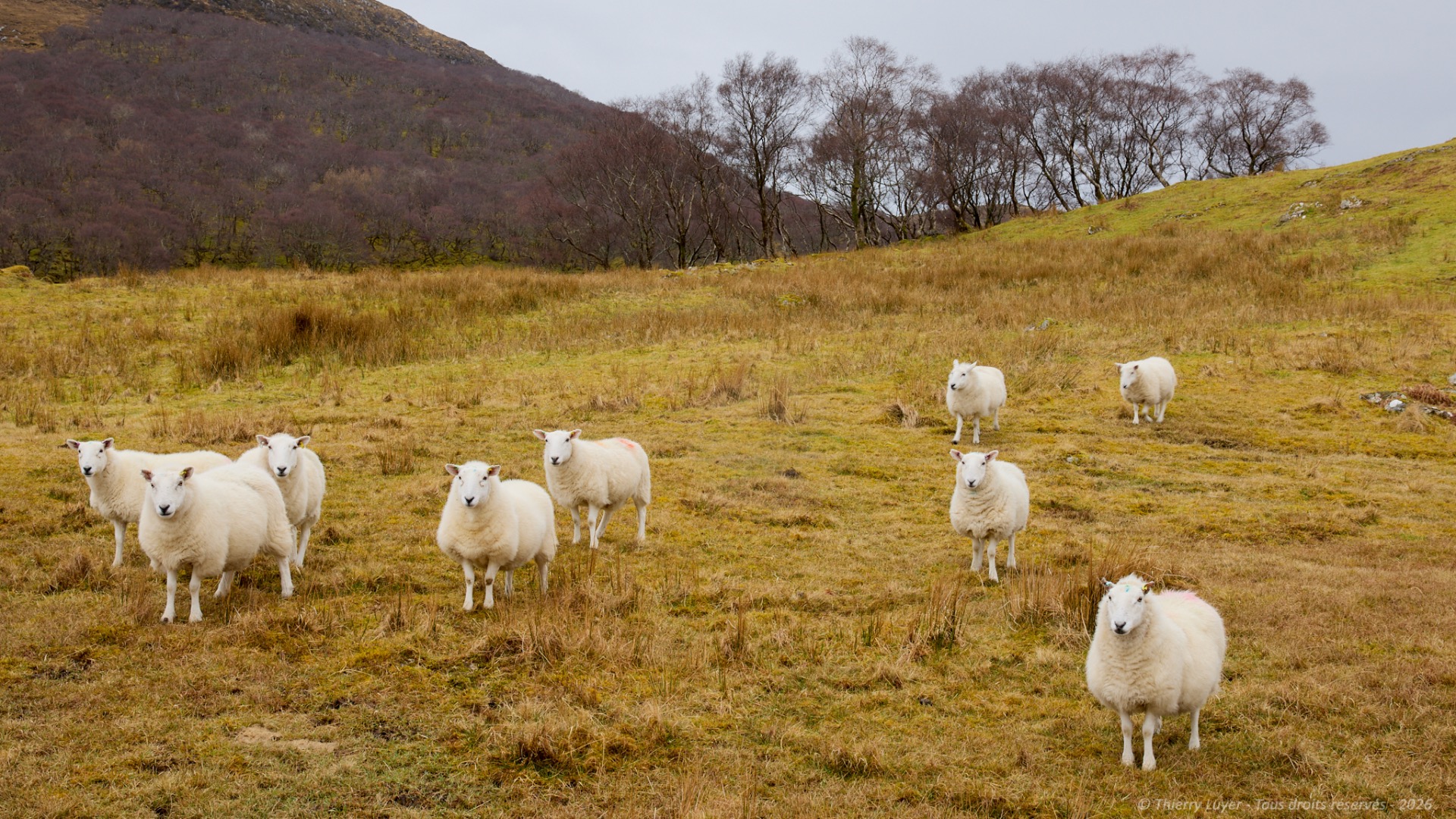
This morning we take the road to reach Elgol at the southern tip of the island. Along the way, the rather grey and threatening sky offer us beautiful light to photograph a cluster of trees standing out against a hill in Kilbride, under the curious gaze of a flock of sheep that had come to observe us...
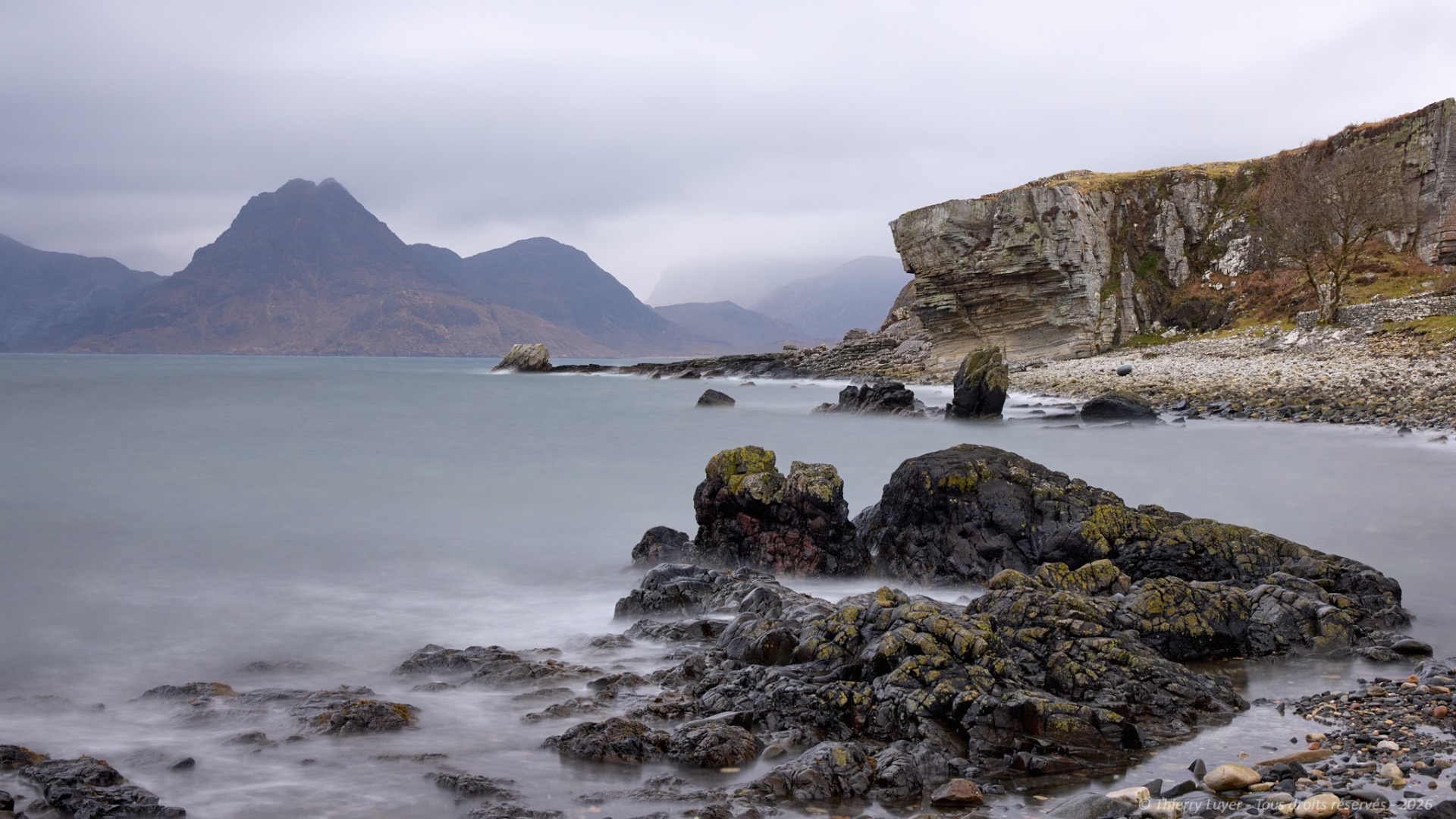
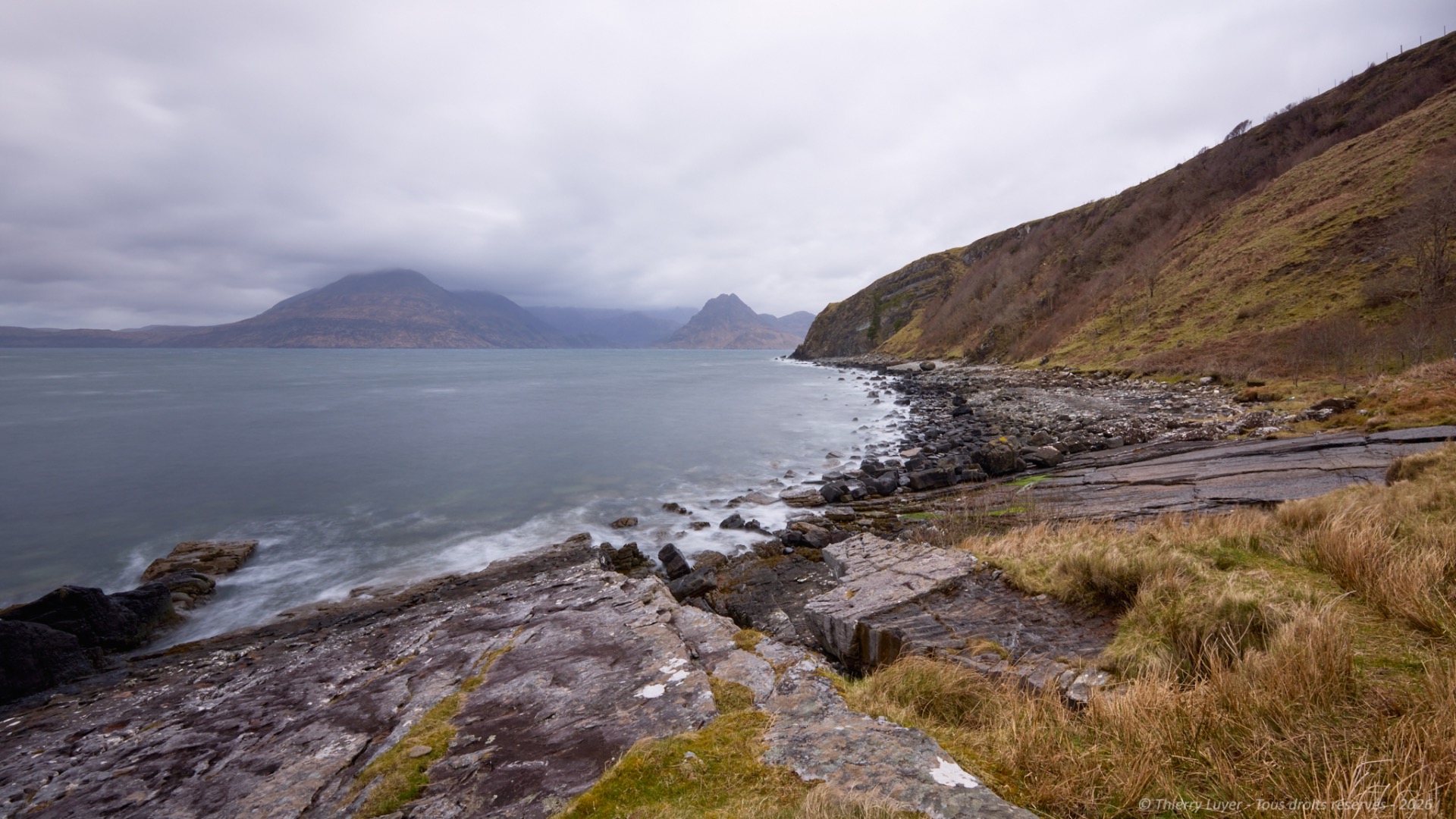
Elgol usually offers a magnificent view of the Isle of Skye. However, with this gloomy weather, the atmosphere is quite different... The coastline features numerous basalt slabs plunging into the sea.
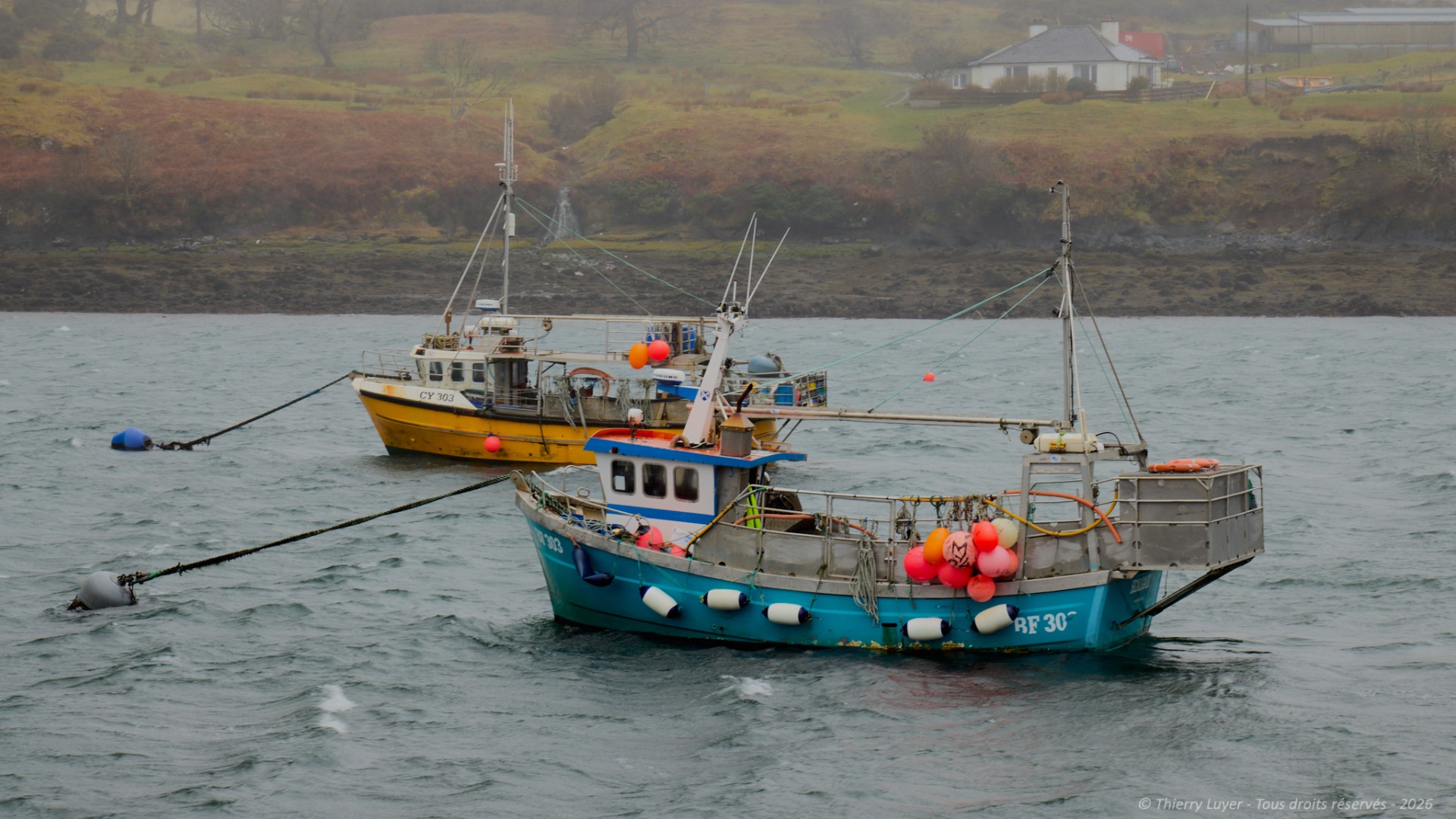
A storm then struck the coast with fierce winds exceeding 120 km/h... It was impossible to take photos in these conditions. We attempted one last shot at the port of Dunvegan before heading back to Portree.
Day 5
We were due to leave the Isle of Skye via the ferry from Armadale, but once again, it was cancelled because of the weather conditions. We therefore had to take to the road again all the way to Fort William.
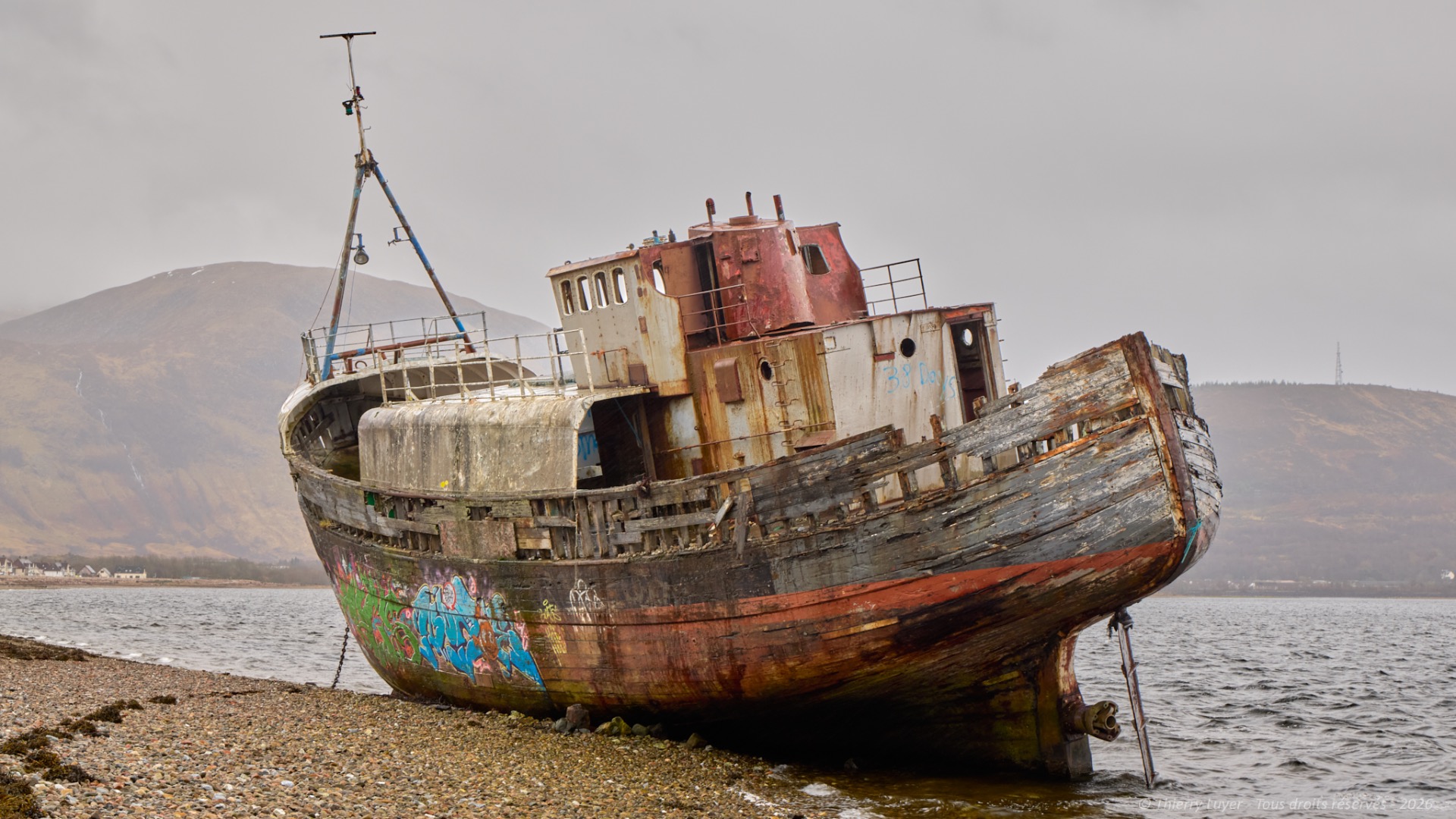
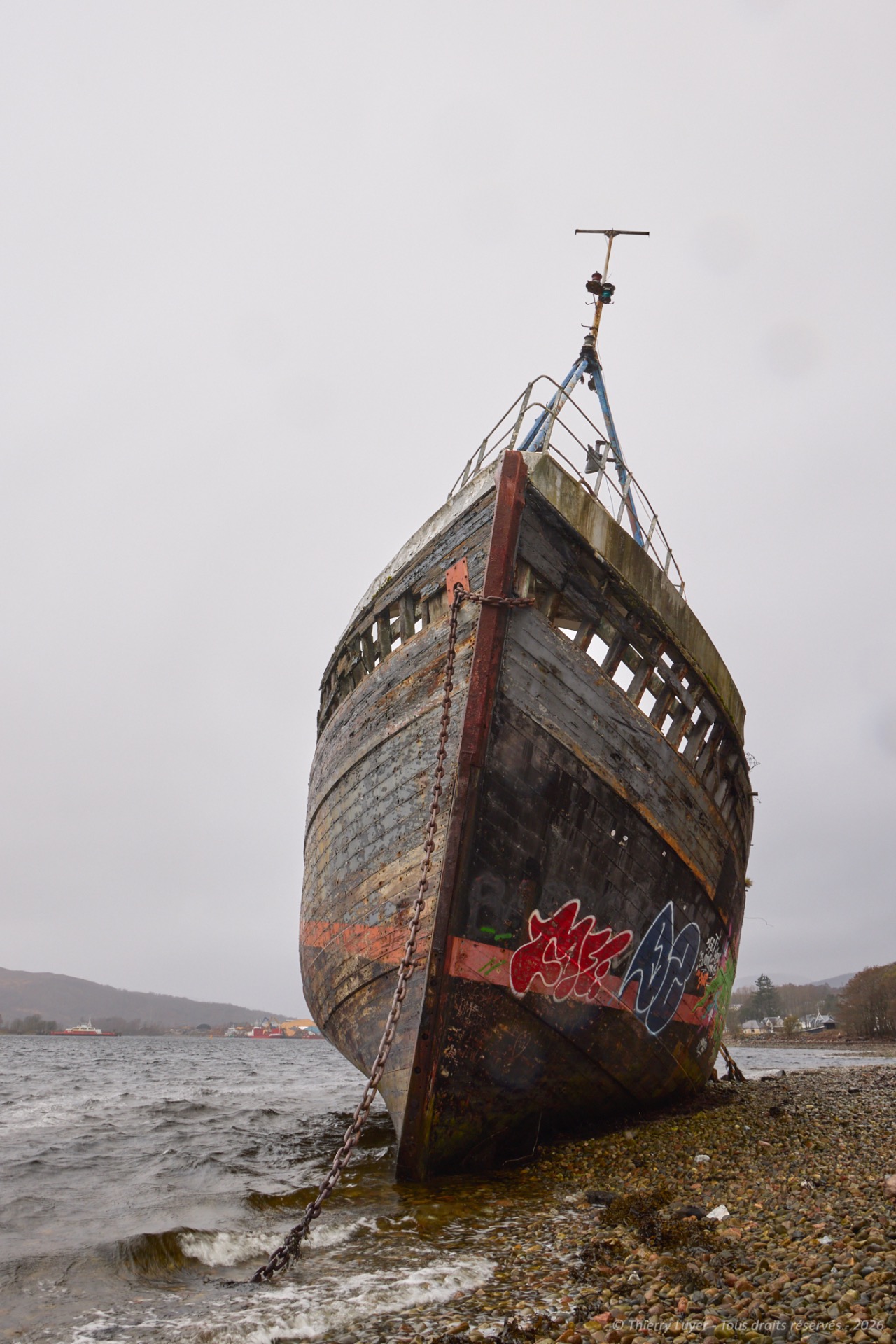
It is upon approaching Fort William that you can discover an impressive shipwreck: the MV Dayspring. Built in 1975, this vessel fished for herring and mackerel until 2000, when it ceased operations. Caught in a storm in December 2011, the boat broke its moorings and ran aground on the shore at Corpach, where it can be seen today.
In 2017, an unidentified boat triggered its distress beacon. A major rescue operation was launched to track it down... It was, in fact, the beacon from the wreck of the MV Dayspring... which clearly has no desire to fade into oblivion!
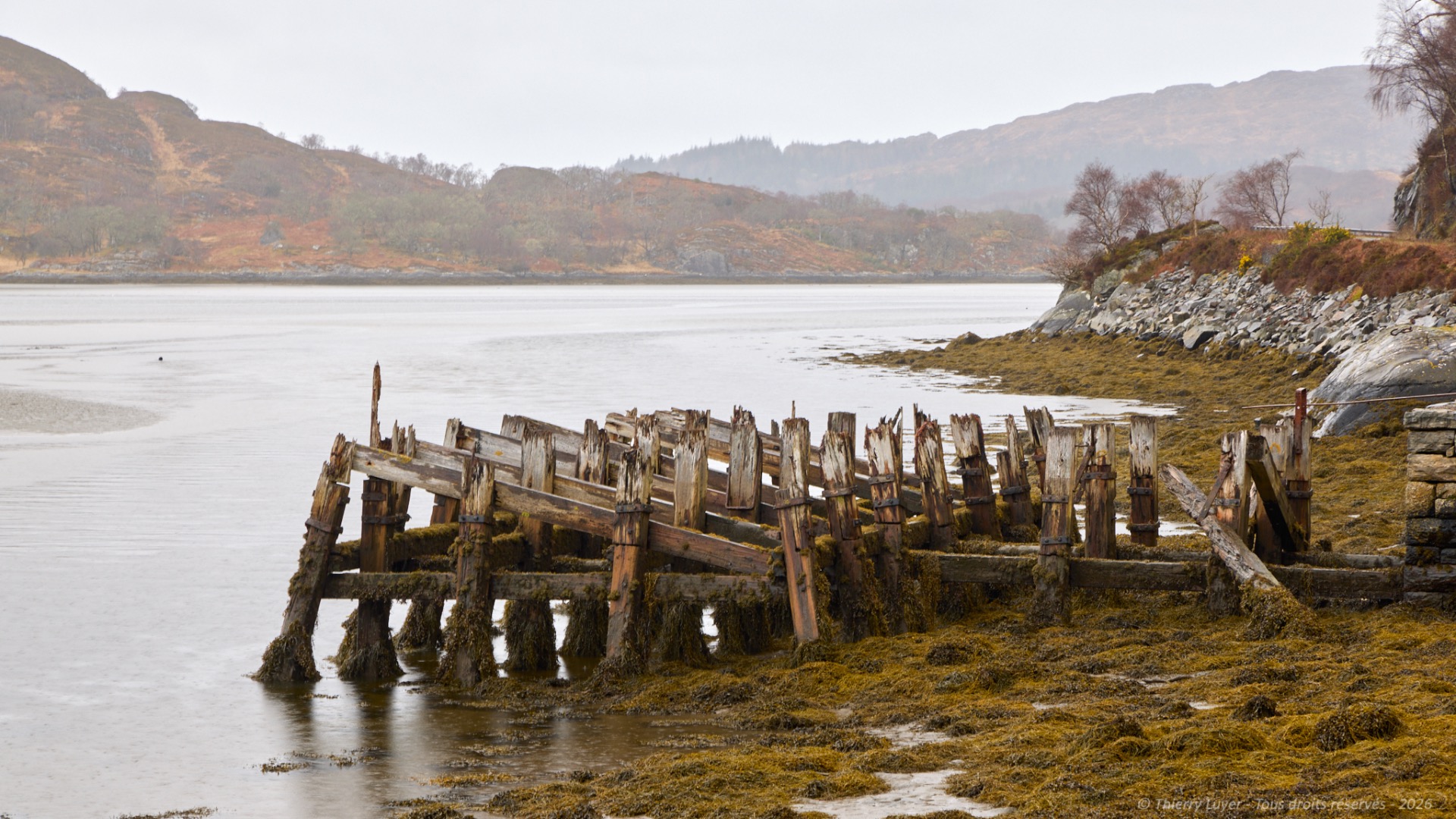
On the A861, shortly before Kinlochmoidart, the skeleton of what was once a wooden jetty withstands the test of time and the elements. A little further on, past the village of Acharacle, an old stone bridge lies hidden over the River Shiel, renowned for its salmon and trout fishing. Here, time passes slowly.
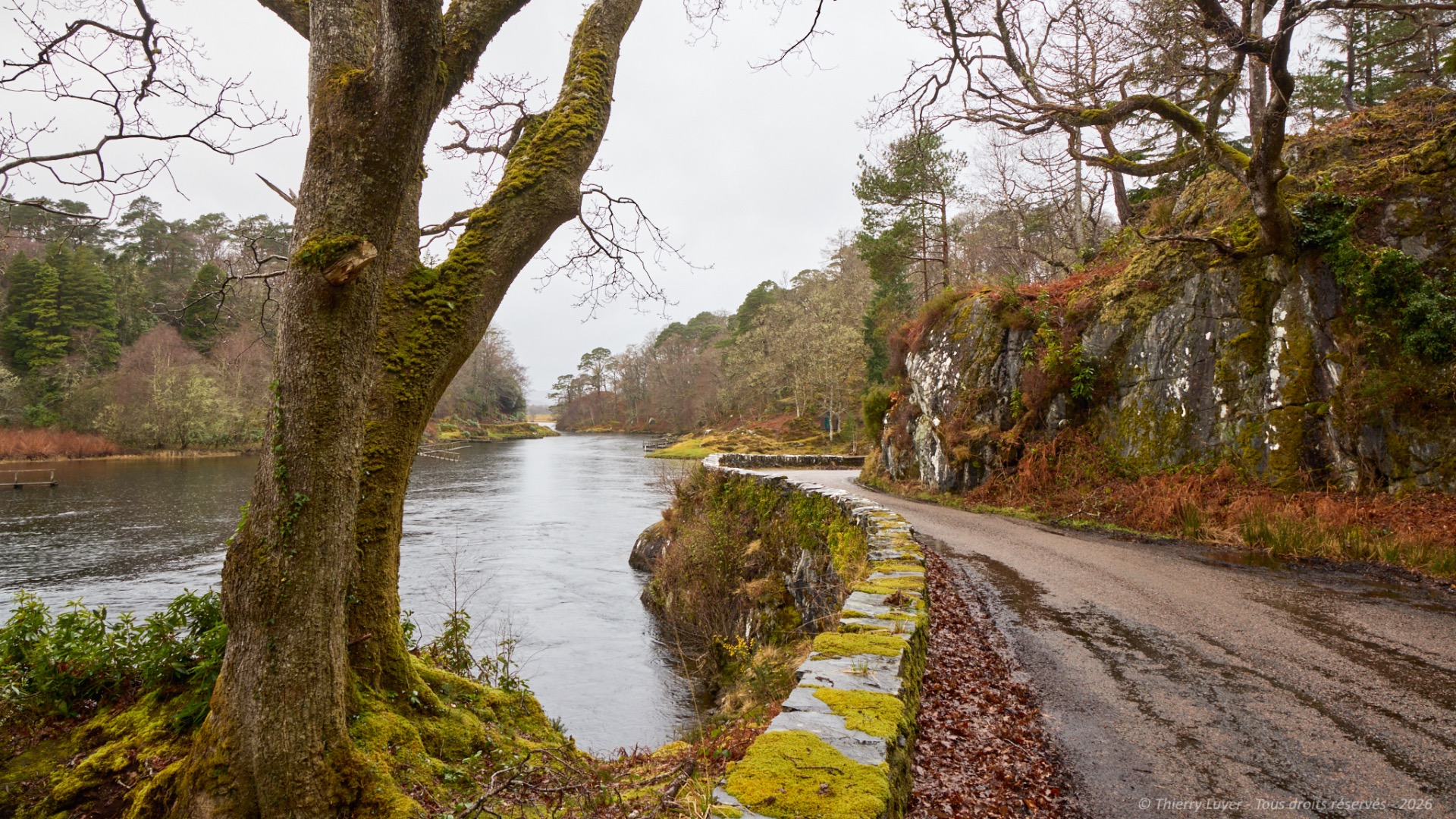
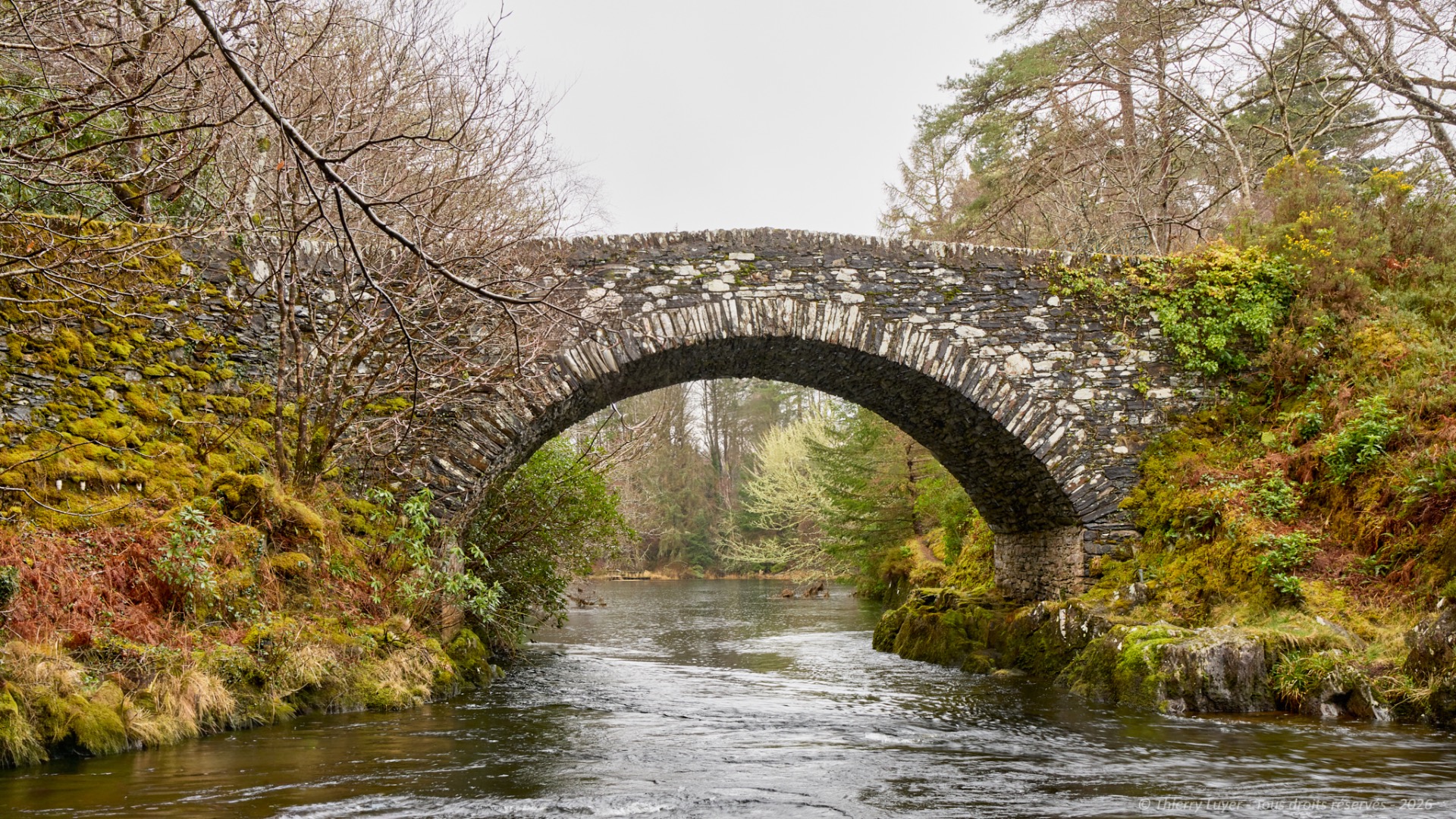
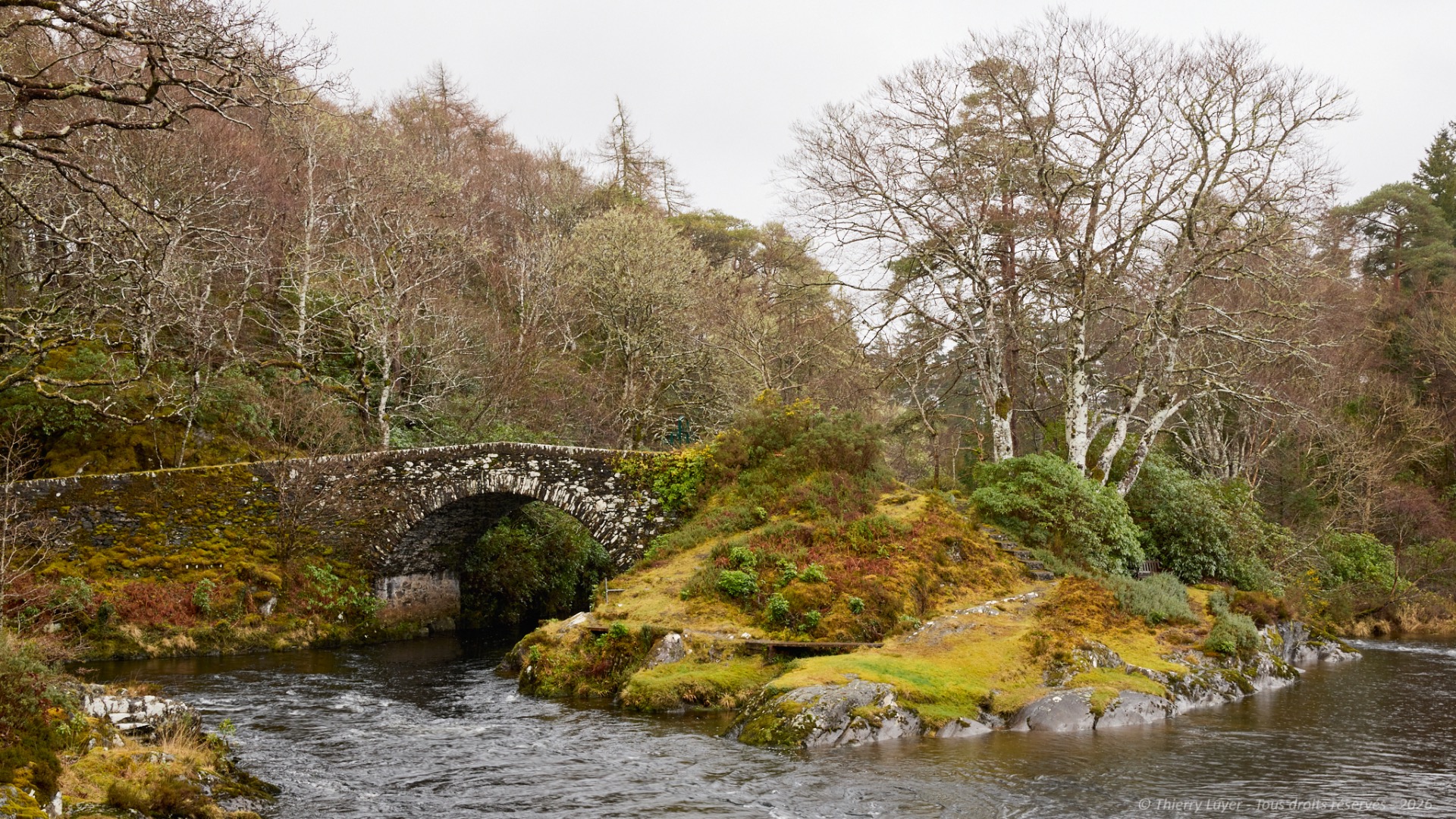
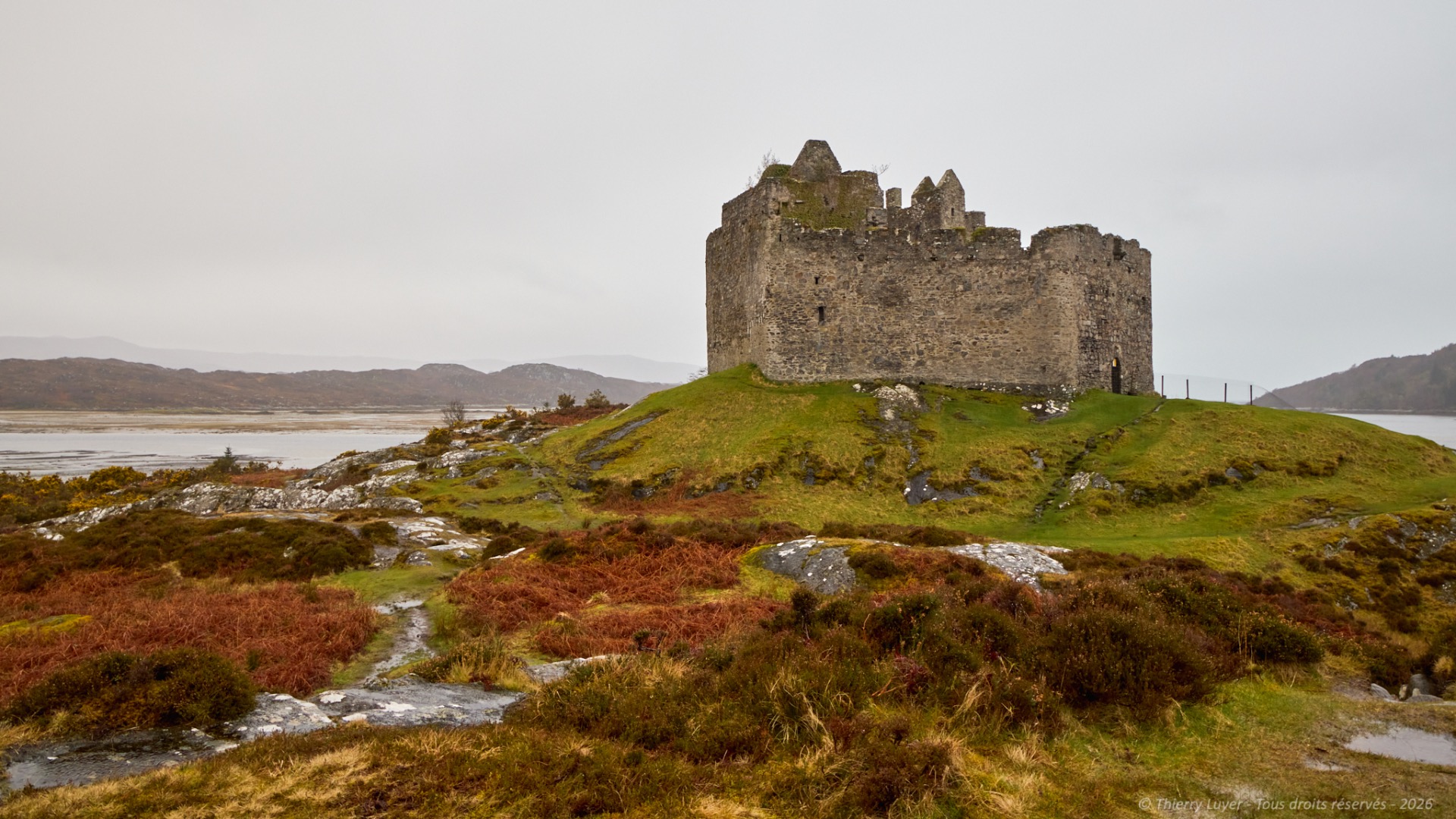
We reach our objective for the day, Tioram Castle, after several hours of driving through the gloom and rain. It is located on the rocky island of Eilean Tioram at a strategic point where the waters of Loch Moidart and the River Shiel meet, with rivers and seas having once been the preferred routes of travel. The earliest structures date back to the 13th century. It was the residence of the Clan MacDonald of Clanranald.
Unfortunately, driving rain set in just as we arrived... I return to the car completely drenched with these few shots. This castle would have deserved better weather and shots taken at high tide.
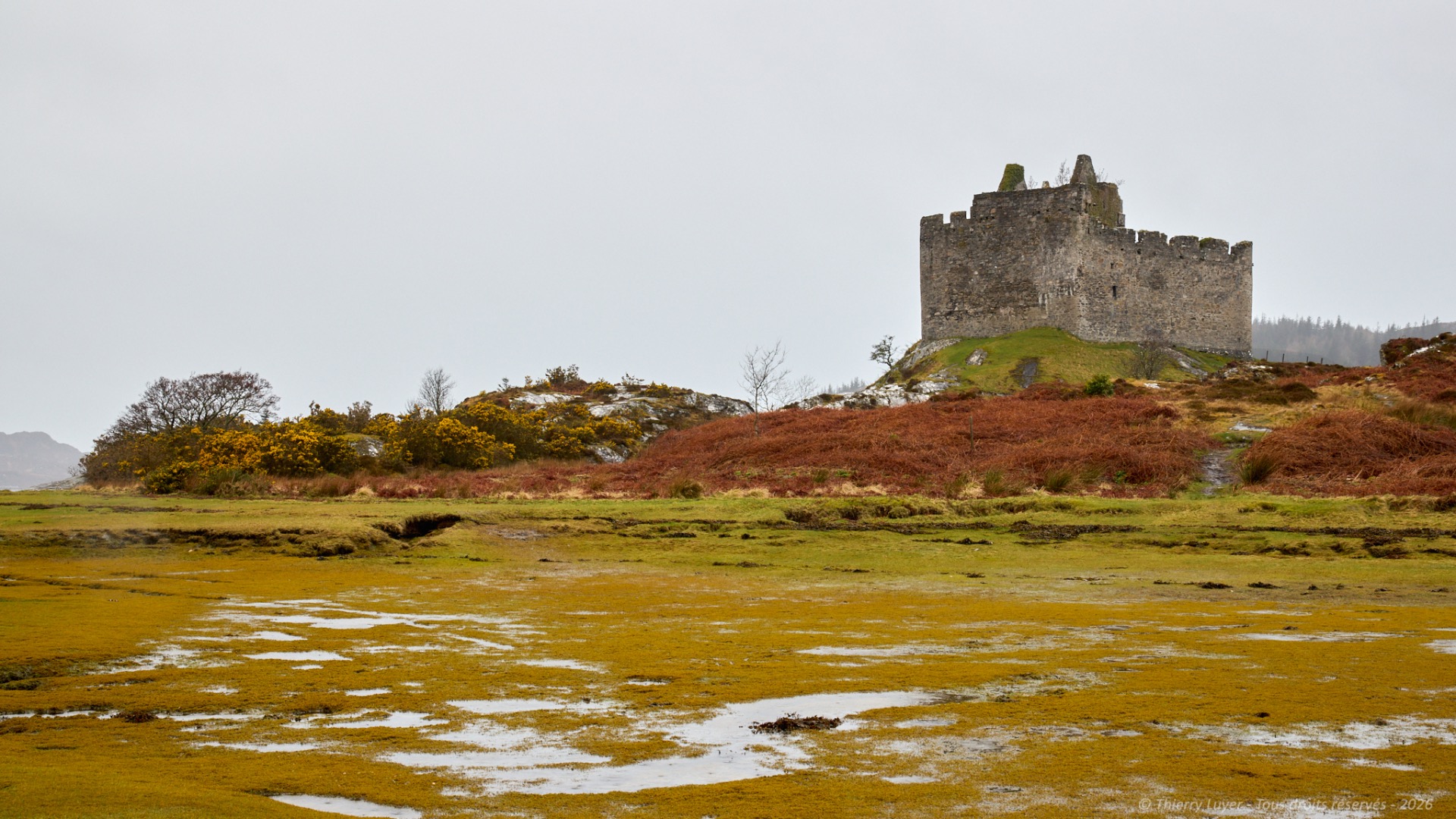
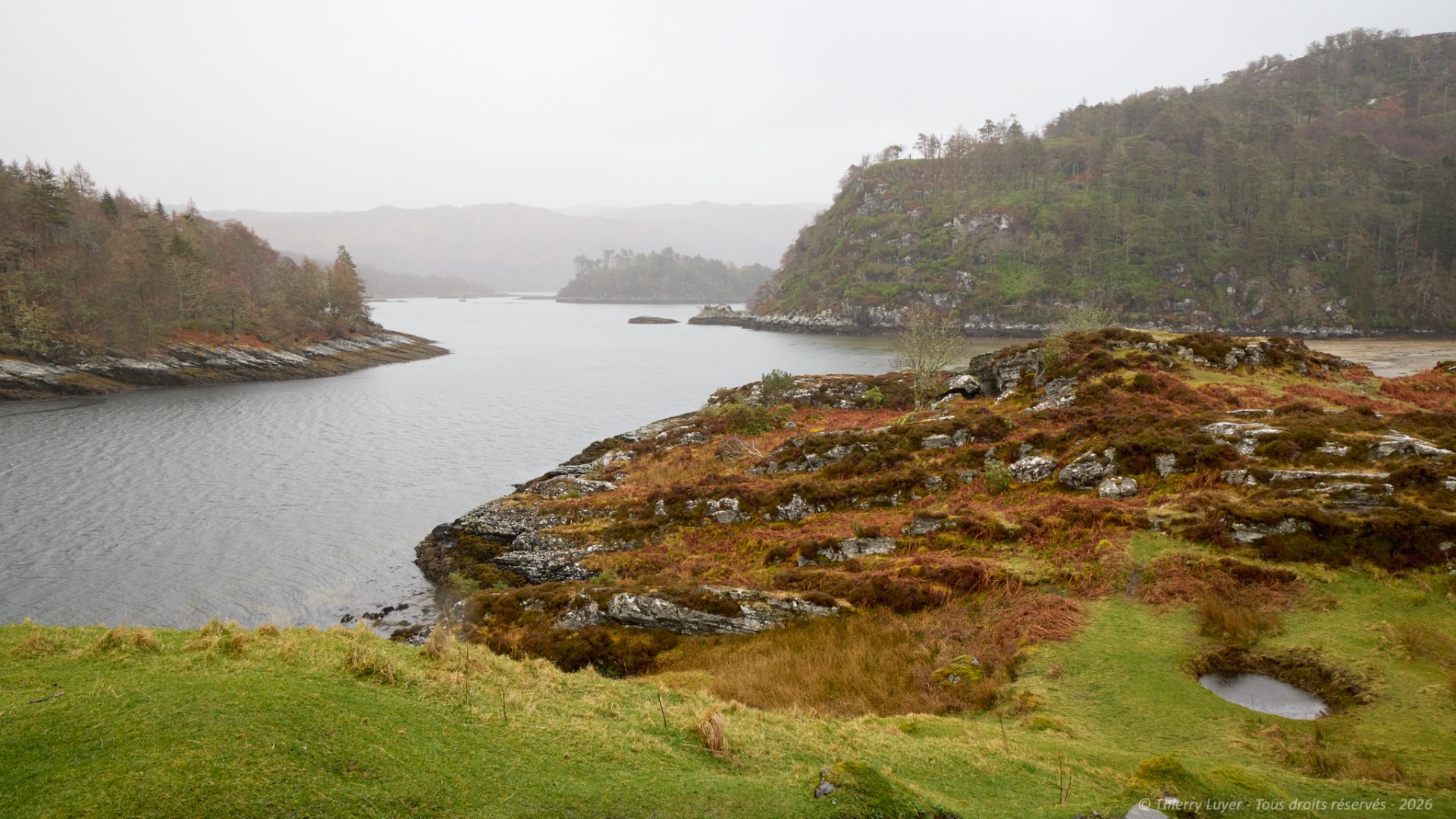
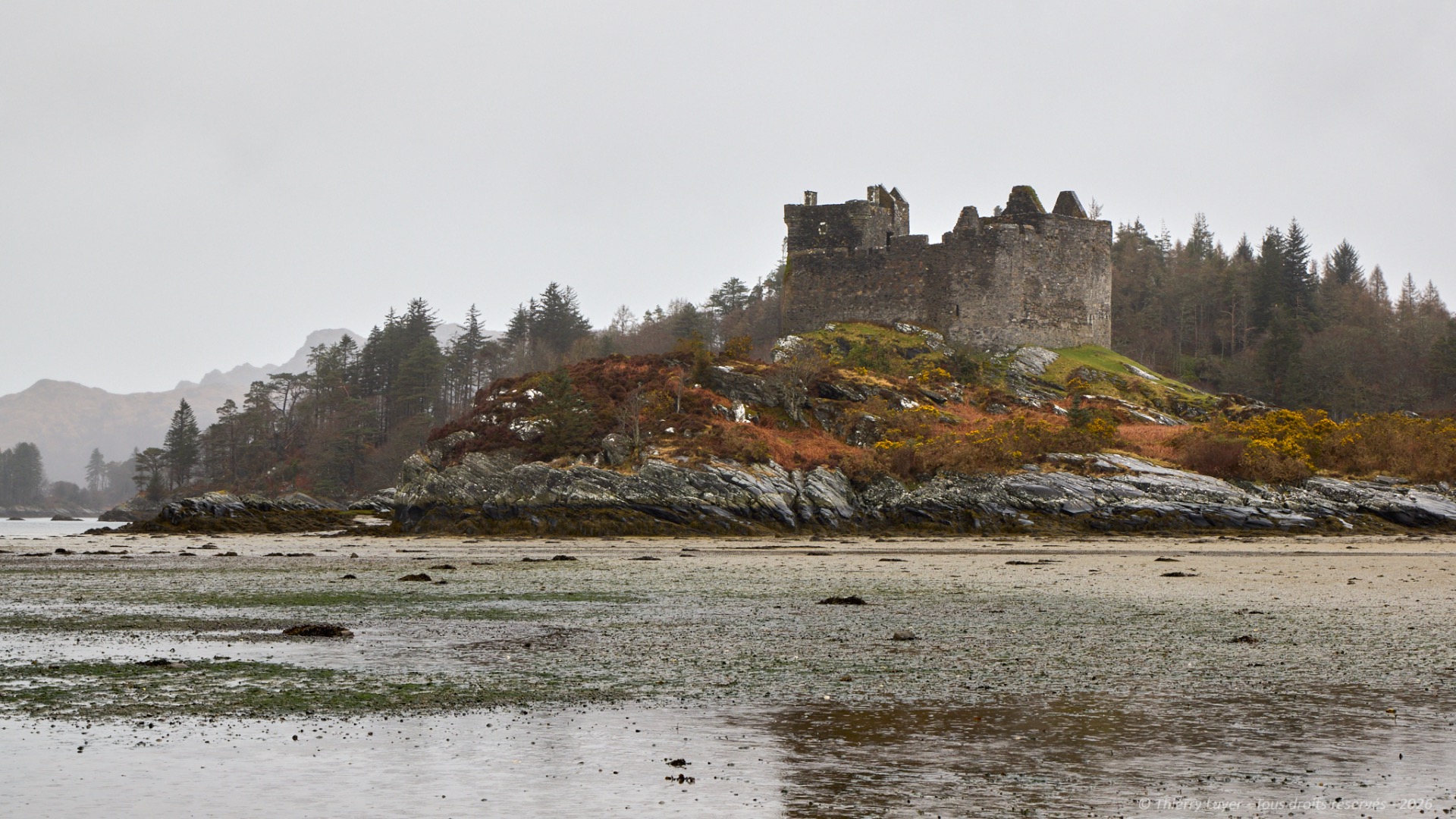
The day is drawing to a close. We take a ferry to reach the road leading to Fort William, where our accommodation for the next two nights is located.

Day 6
It snowed overnight on the higher ground. The mountain peaks have donned their winter mantle. Our first spot of the morning will be Corran Point Lighthouse, a small lighthouse near the ferry we took the previous day, which crosses Loch Linnhe.
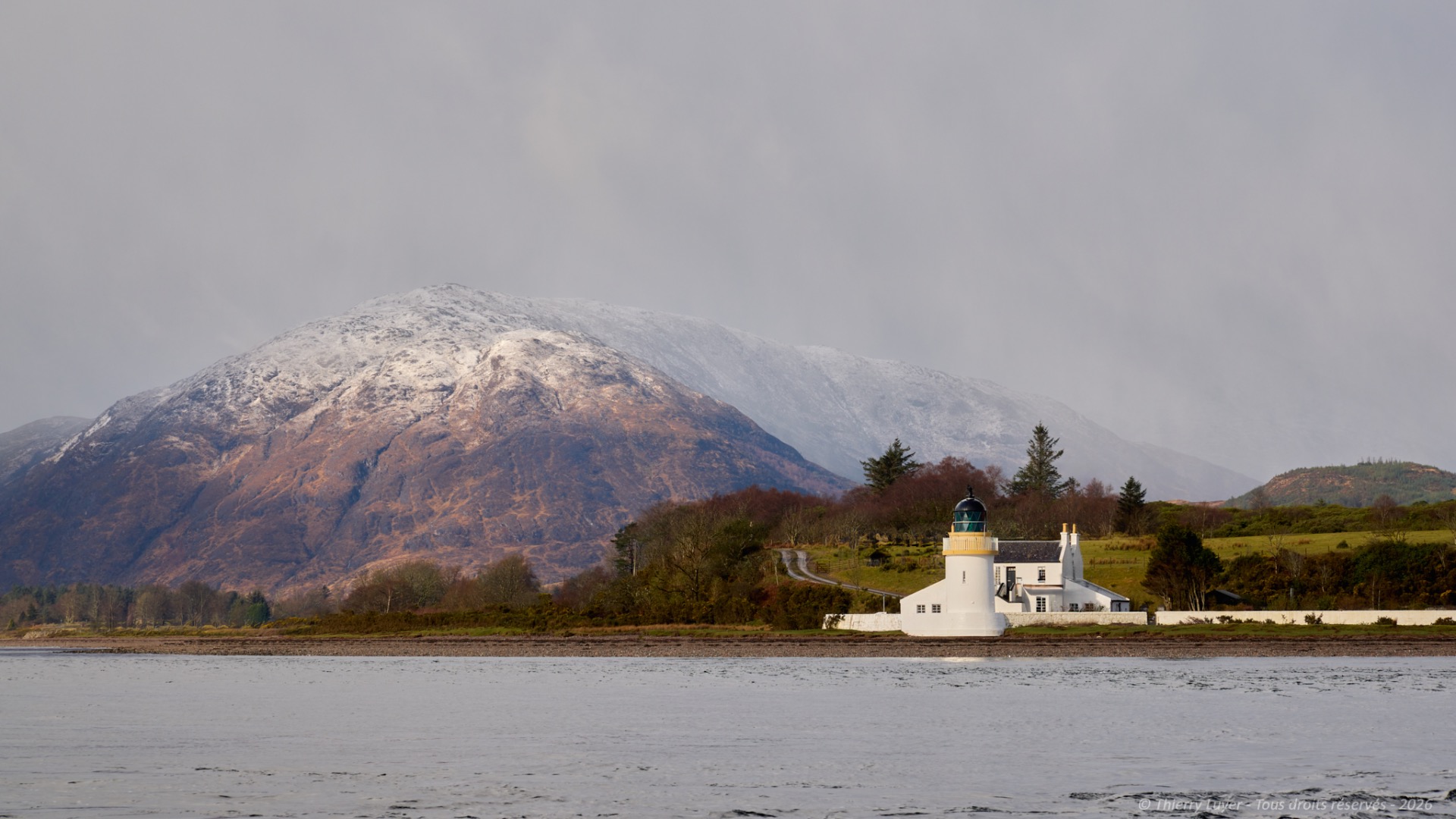
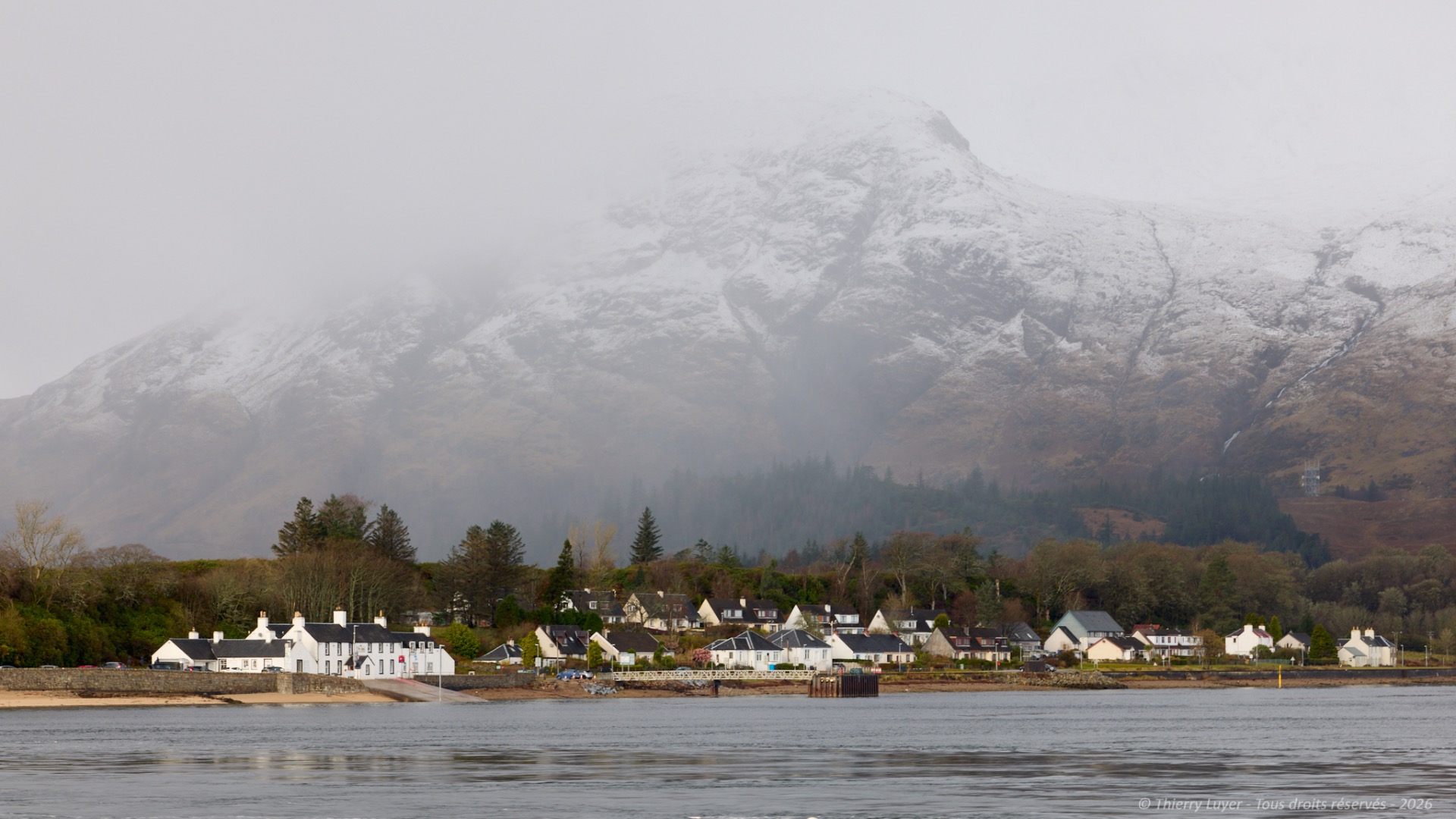
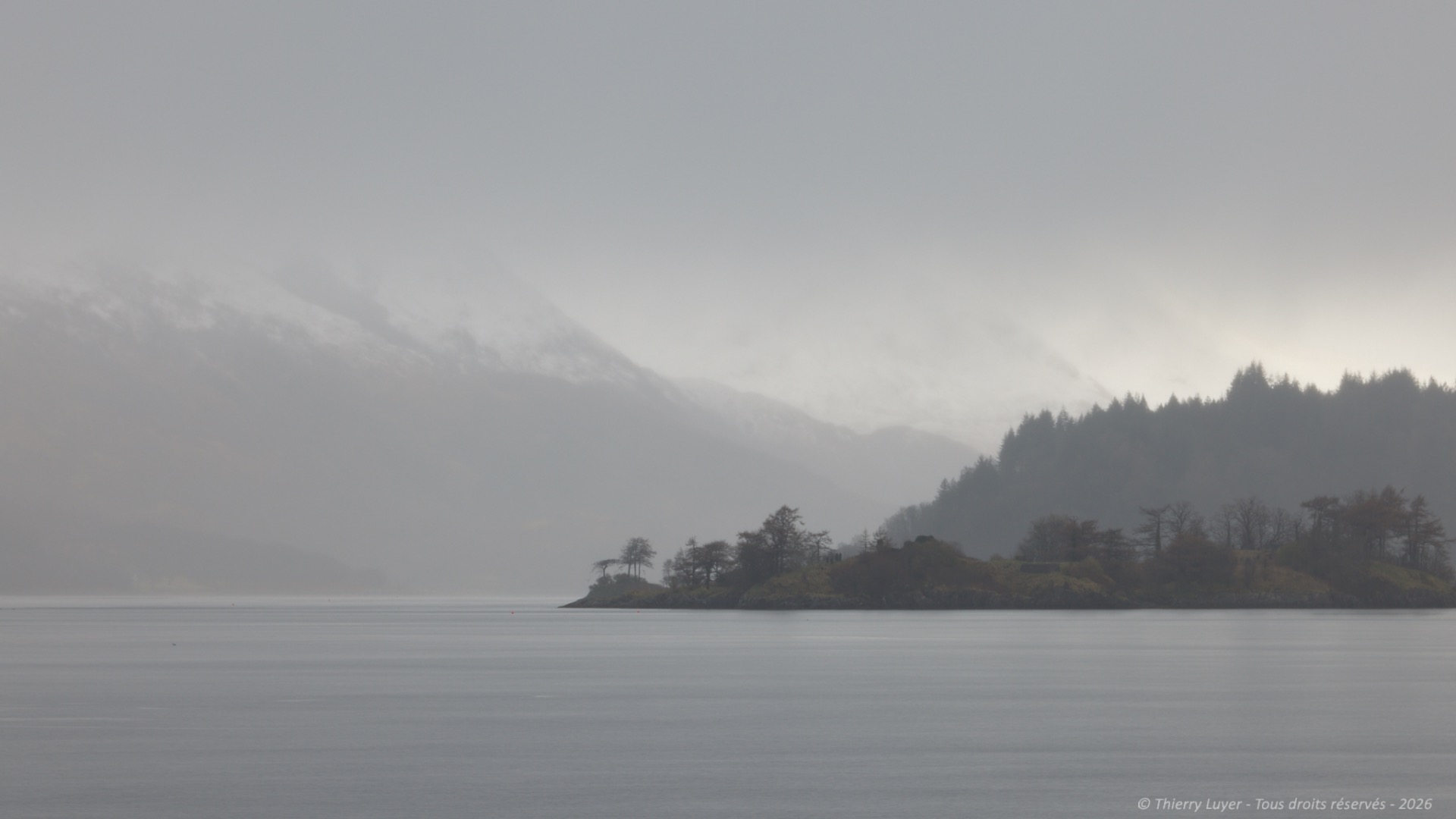
We then head towards the legendary Glencoe National Nature Reserve, located in the Scottish Highlands. Sub-zero temperatures, thick fog... Loch Leven awakens in a wintry atmosphere.
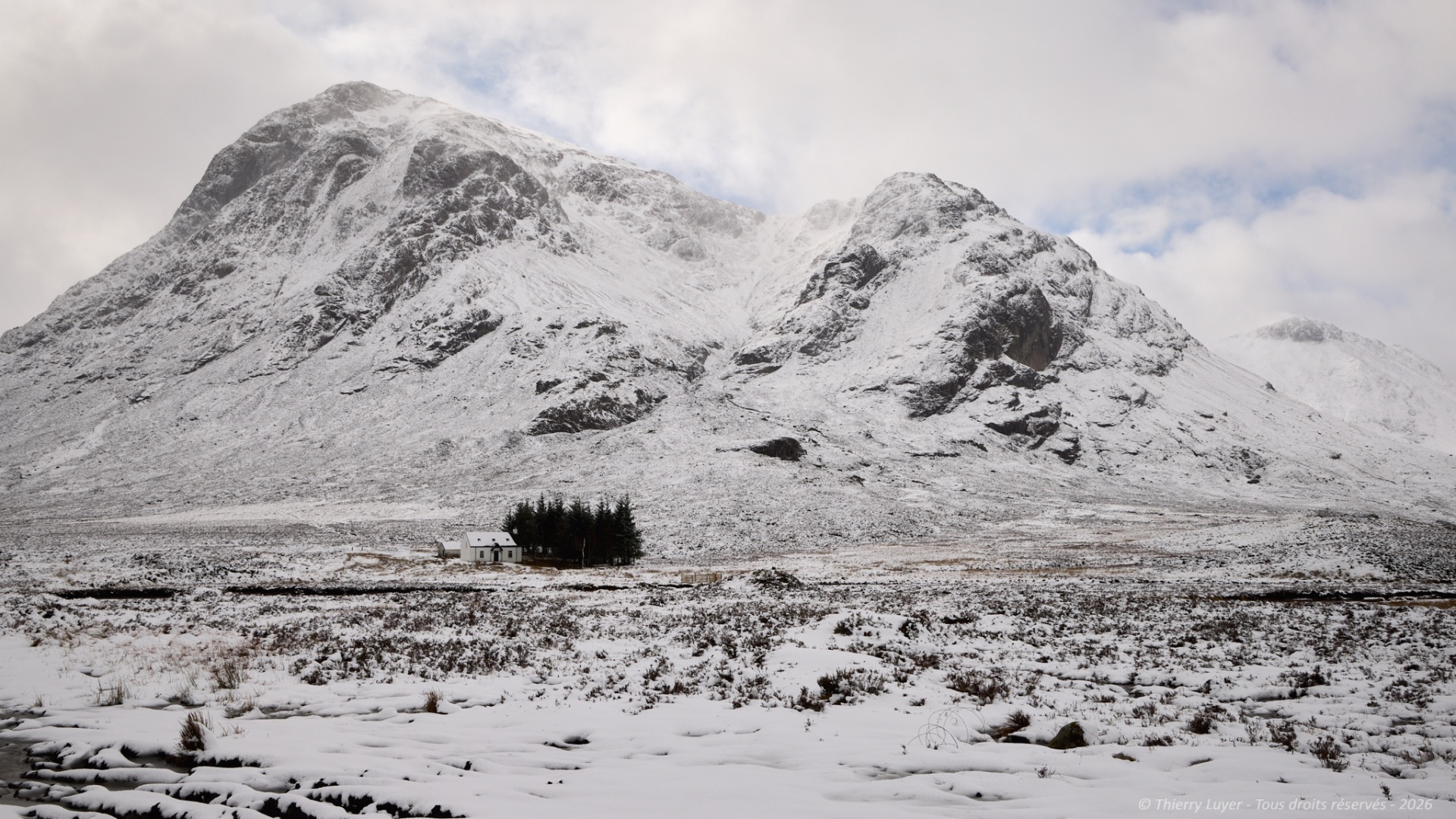
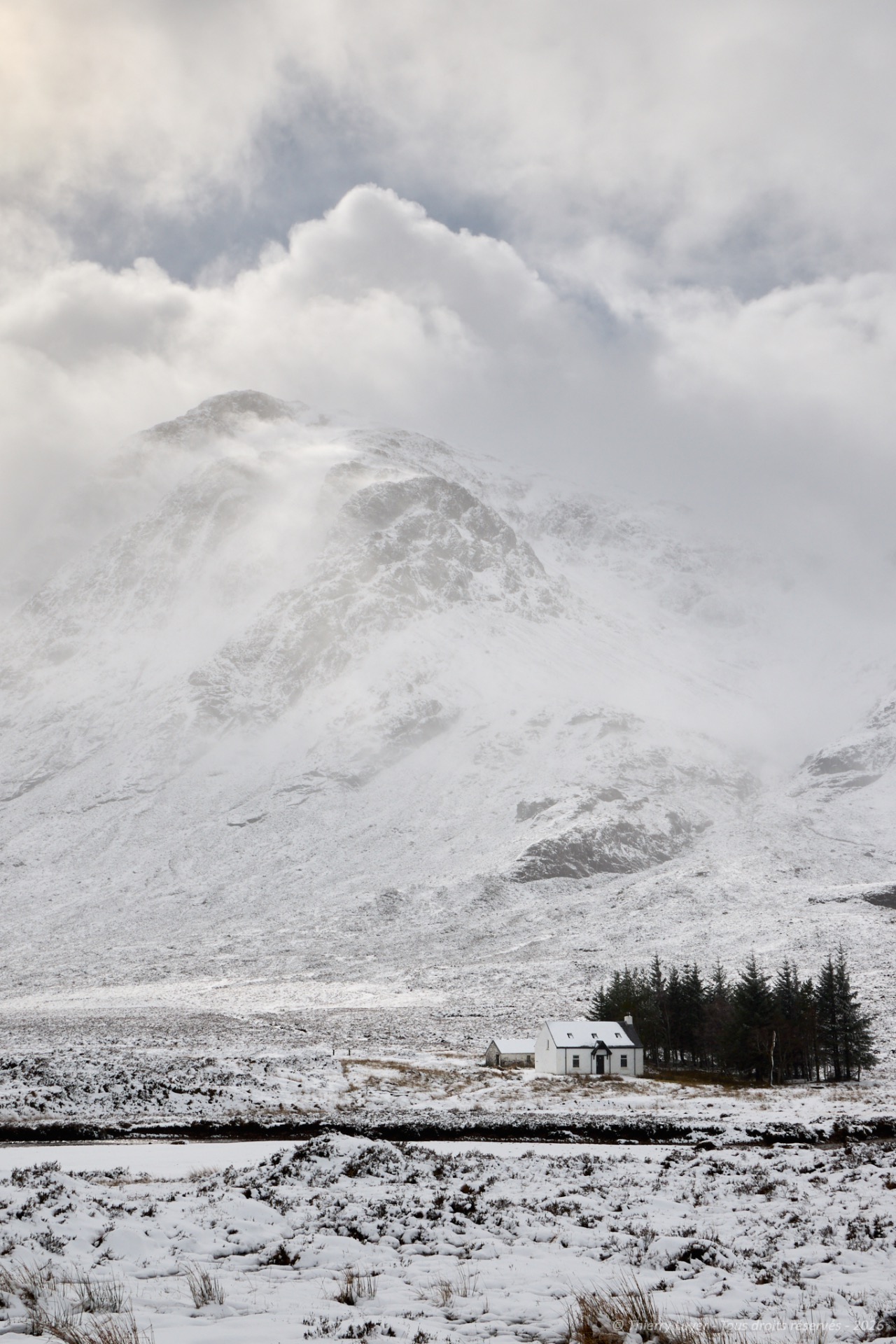
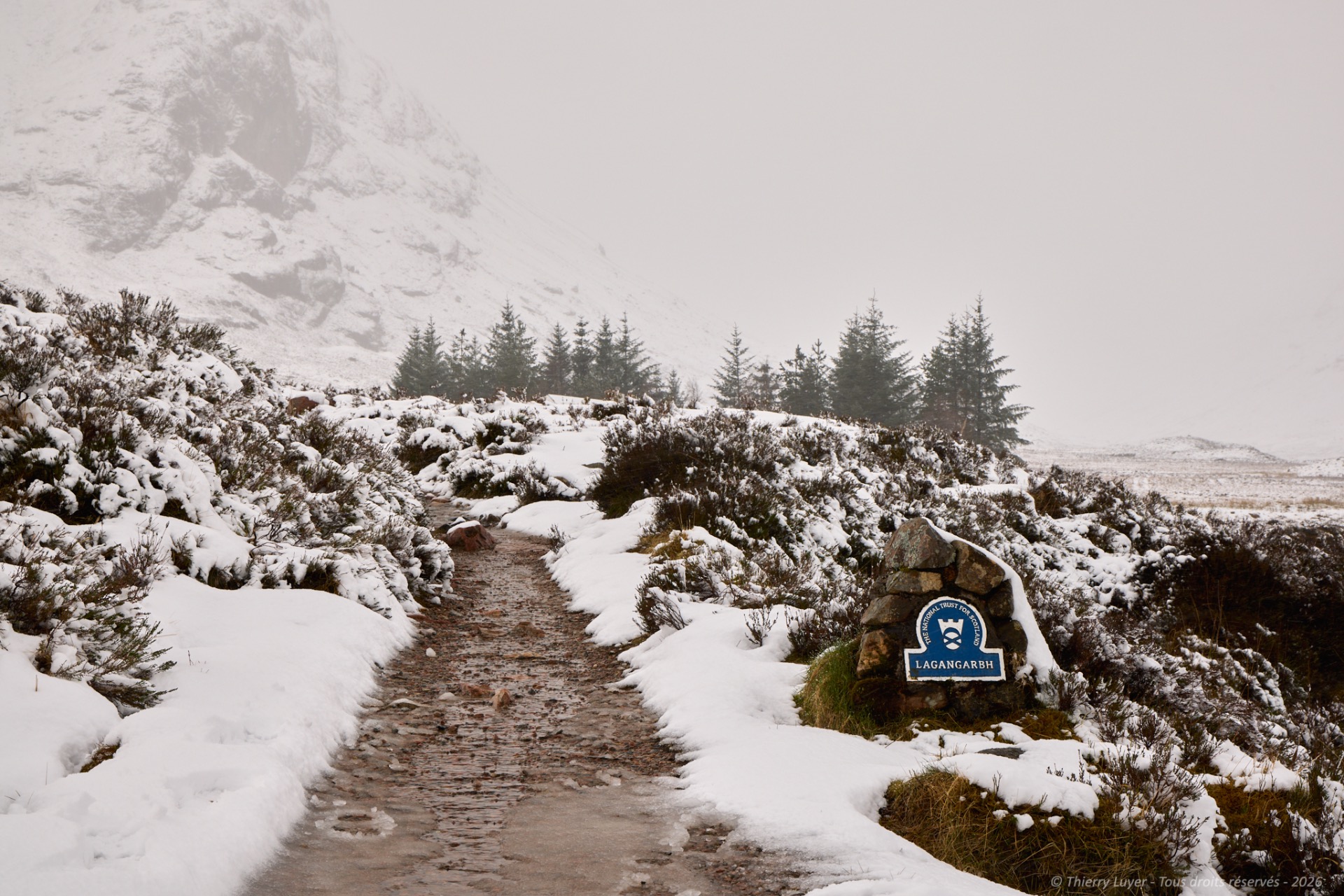
The snow line sits at around 500 metres, and it is along completely snow-covered roads that we head into the mountains of Glencoe in freezing temperatures. The "Lagangarbh cottage", owned by the National Trust for Scotland, guarantees a complete change of scenery!!!
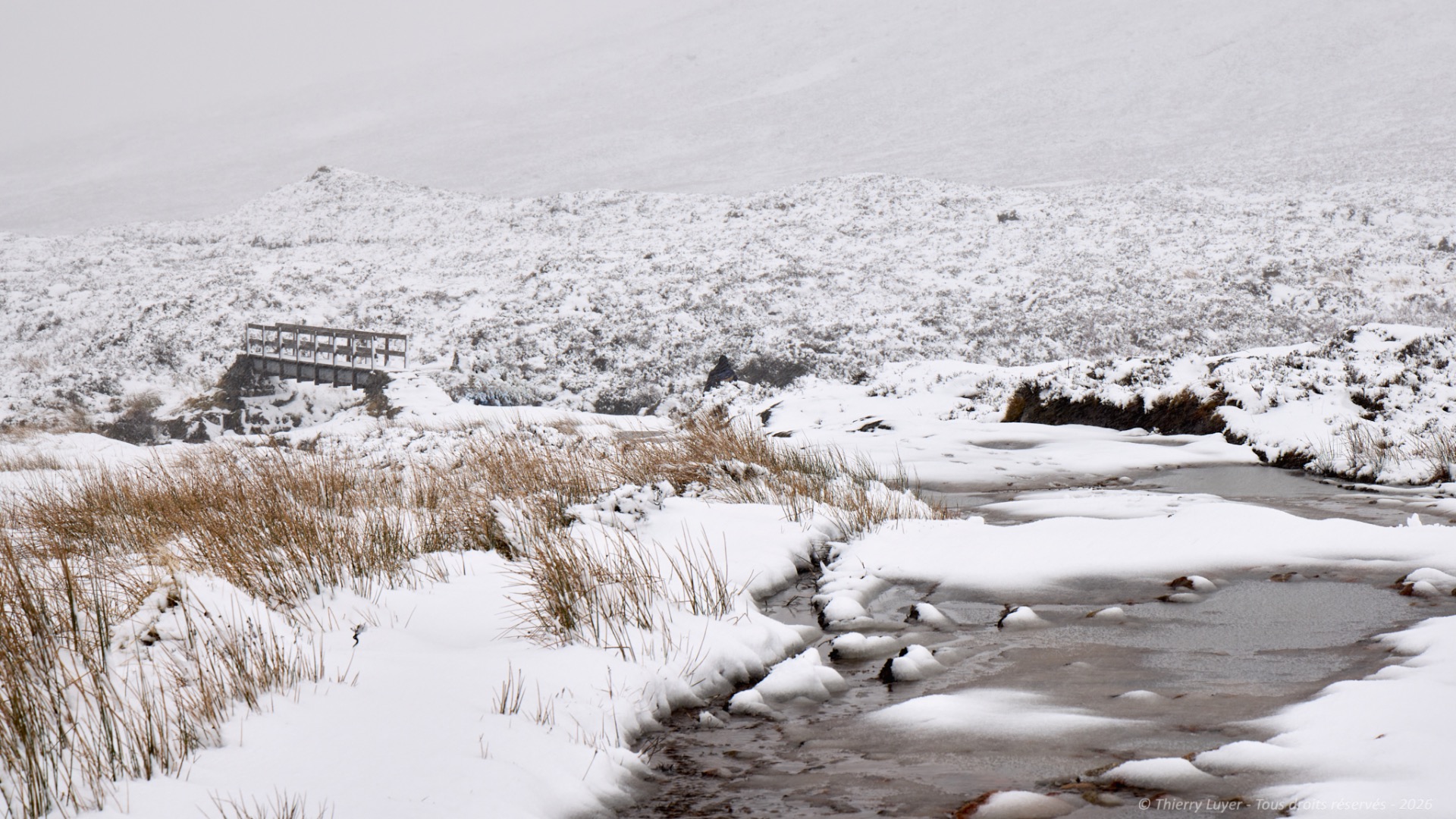
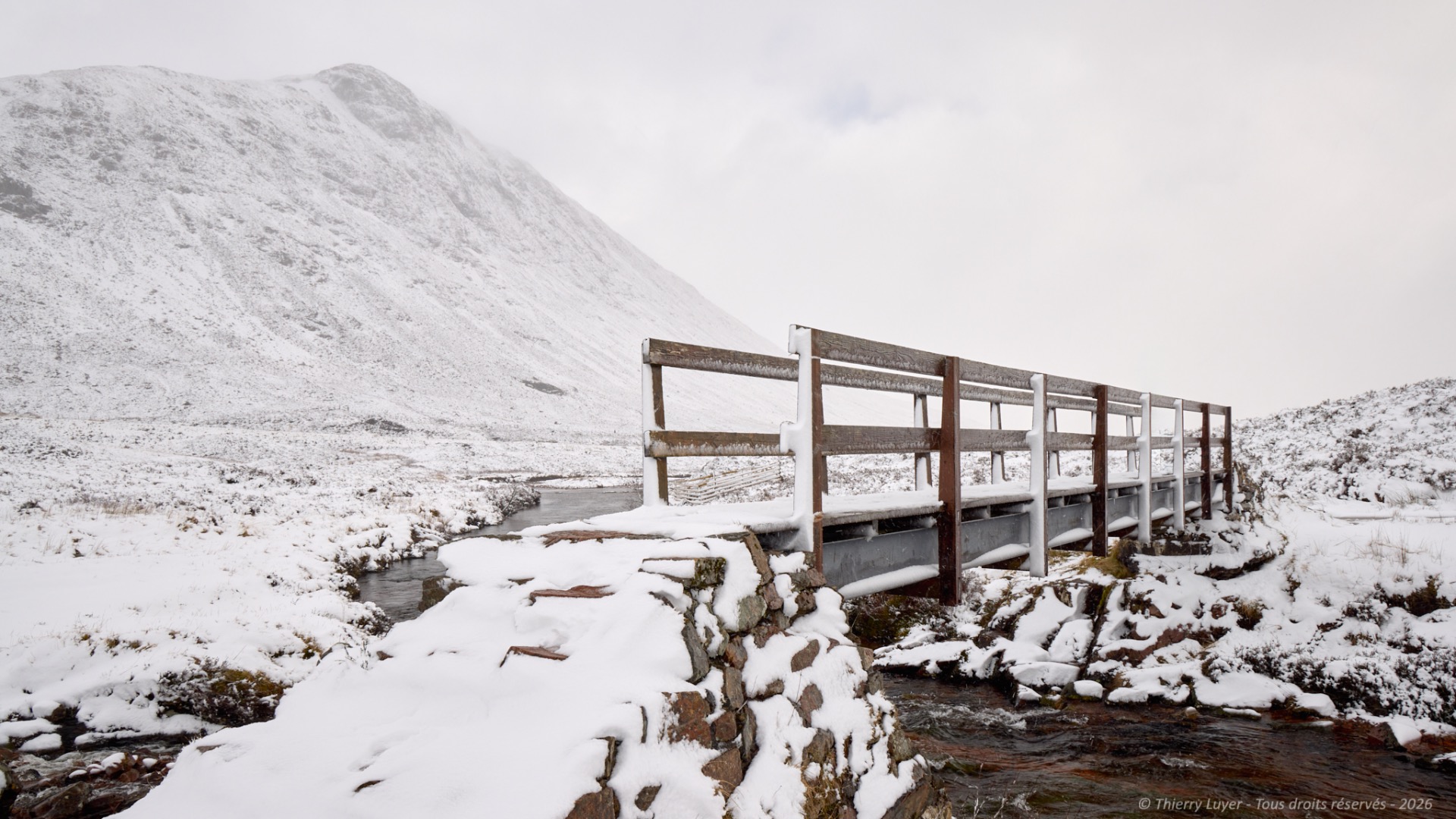
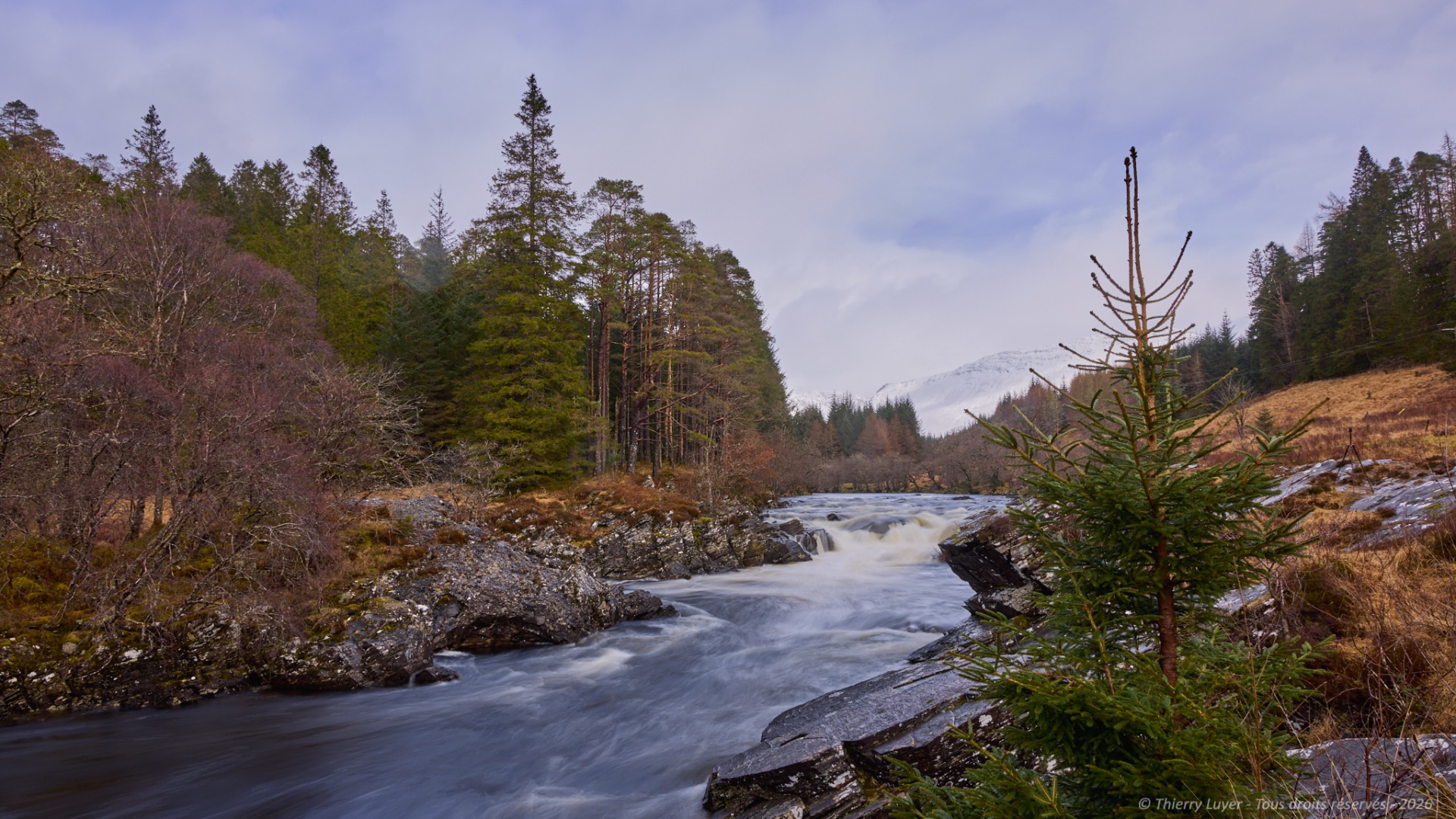
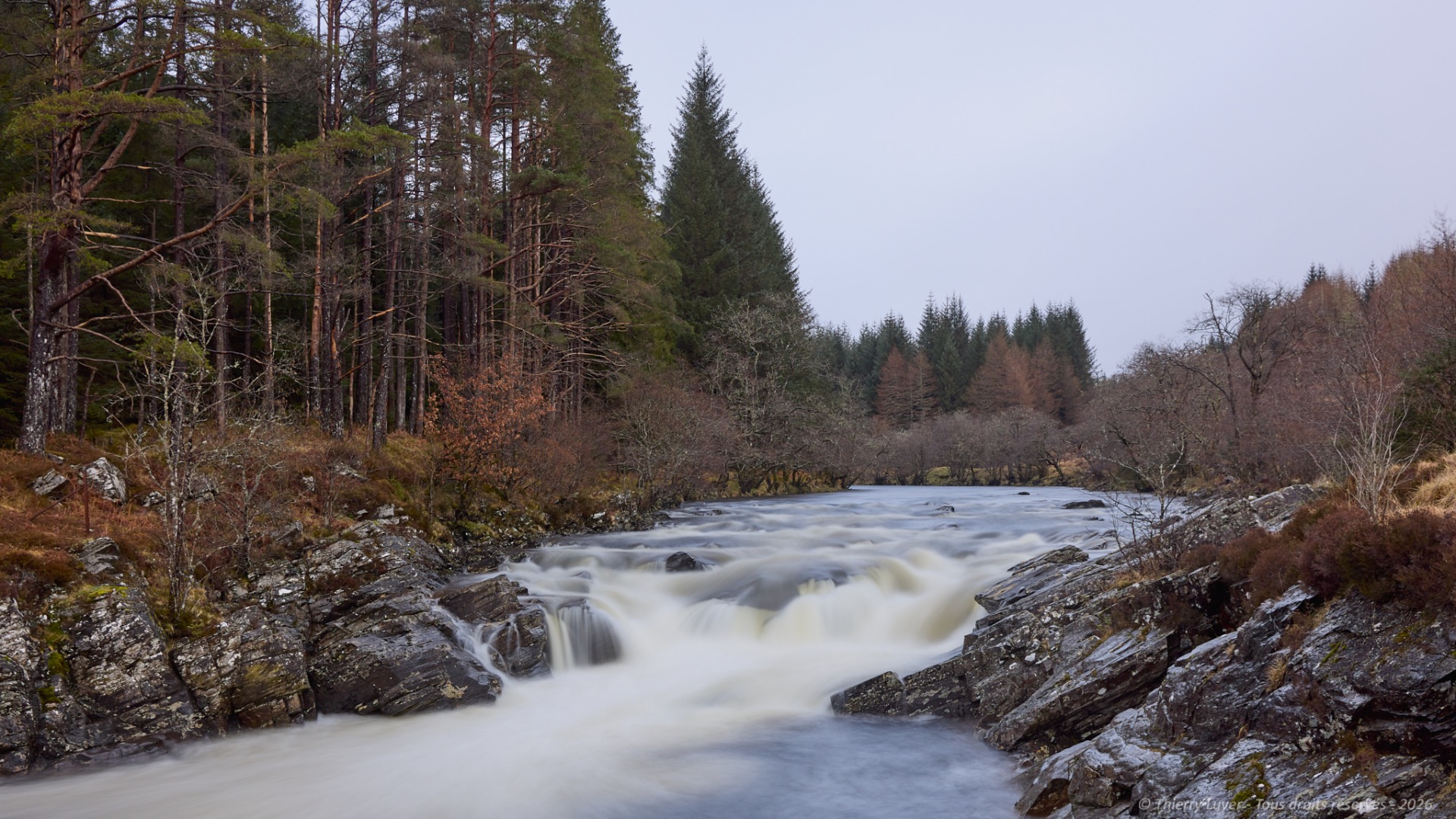
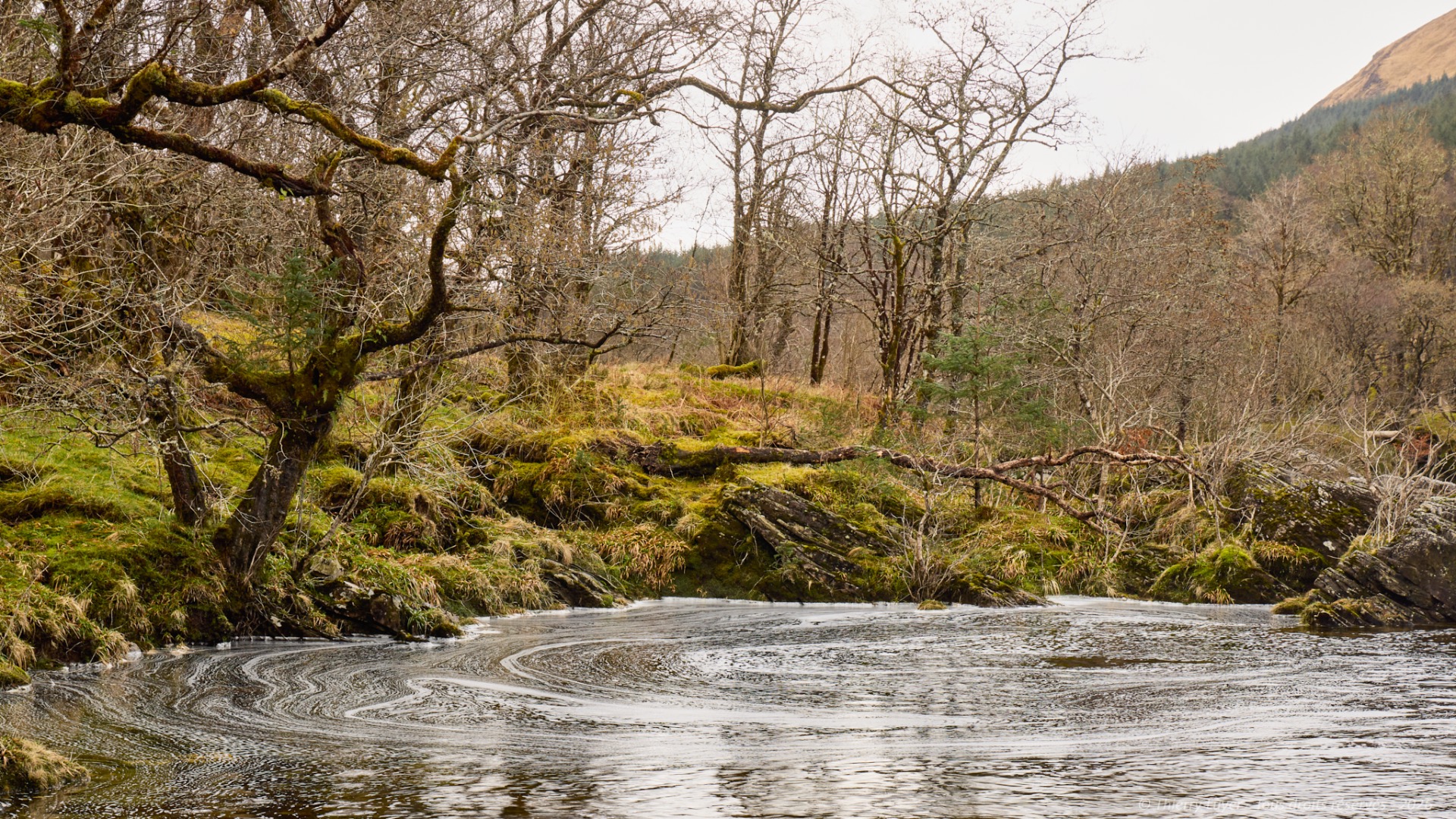
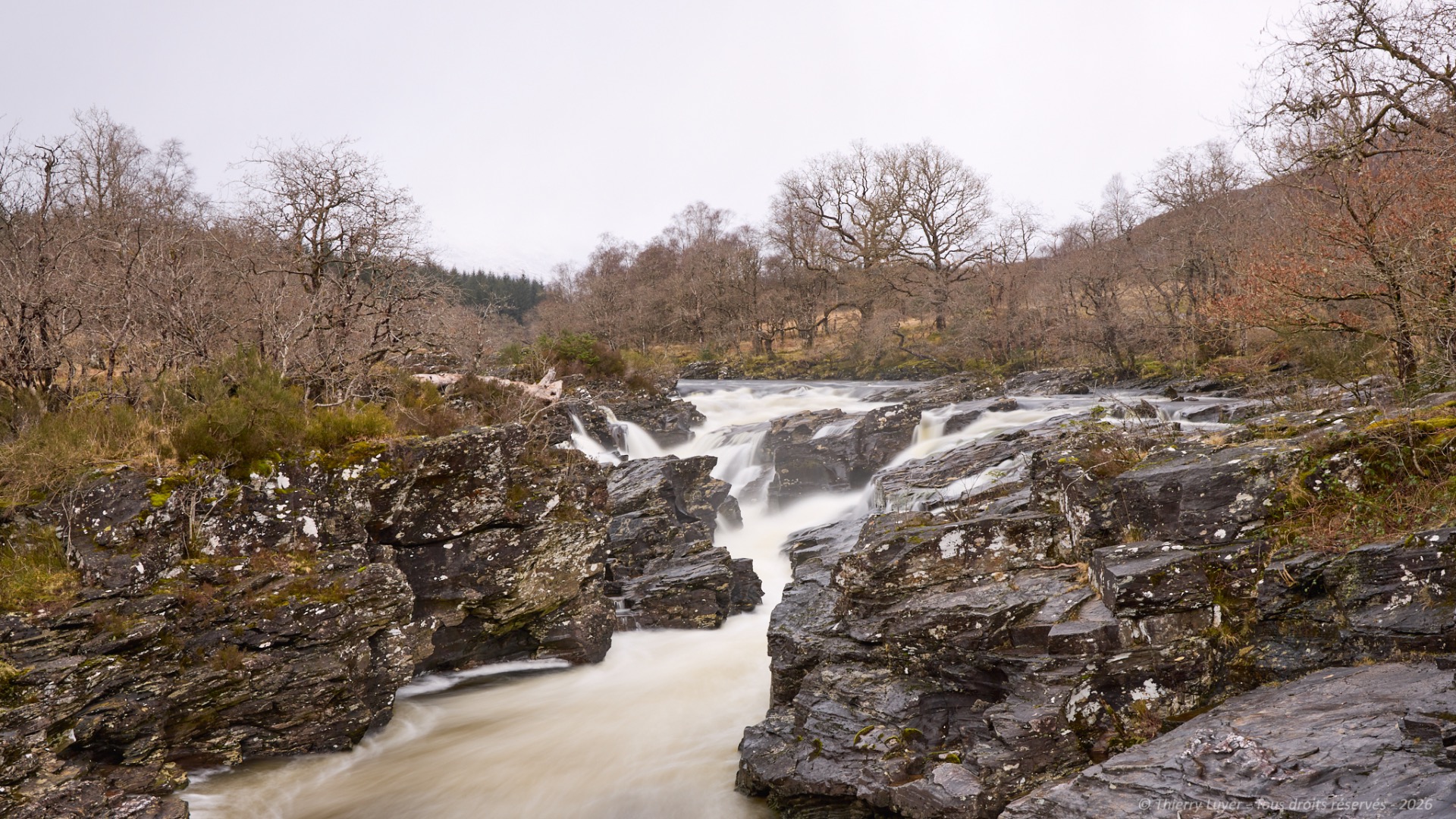
After crossing the snow-covered mountains of Glencoe, we take a narrow road that runs alongside the River Orchy, punctuated by numerous rapids and waterfalls.
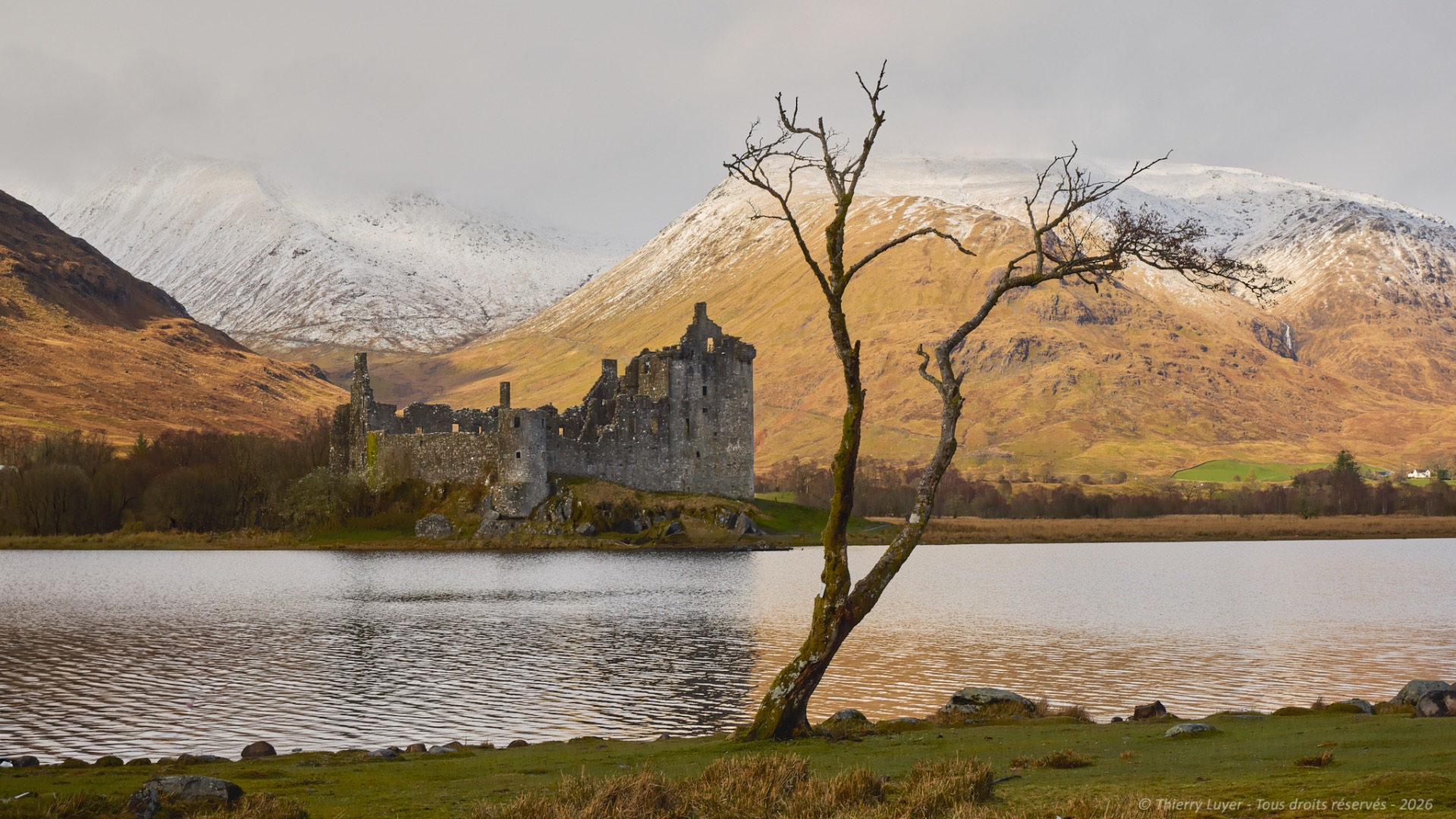
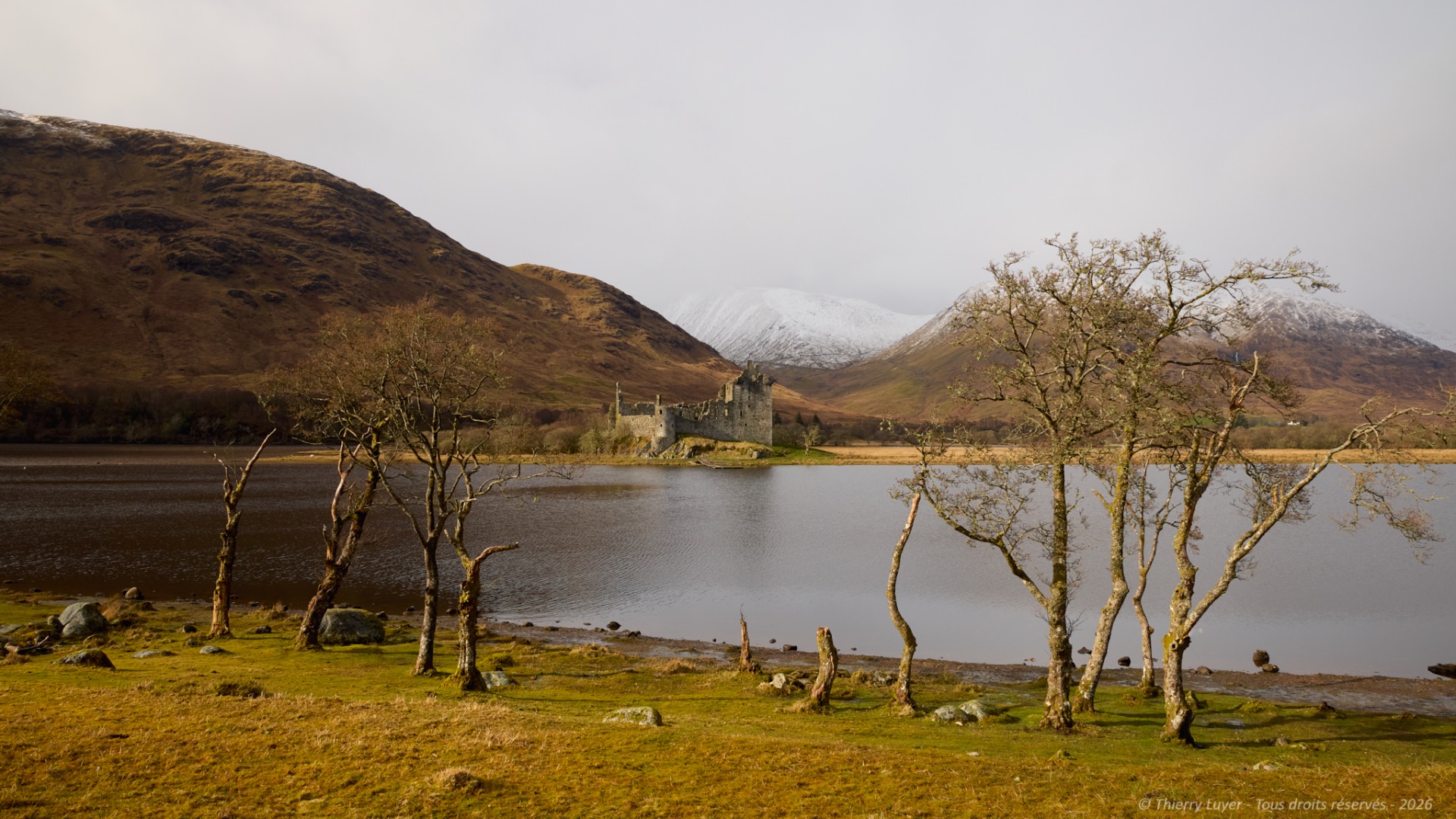
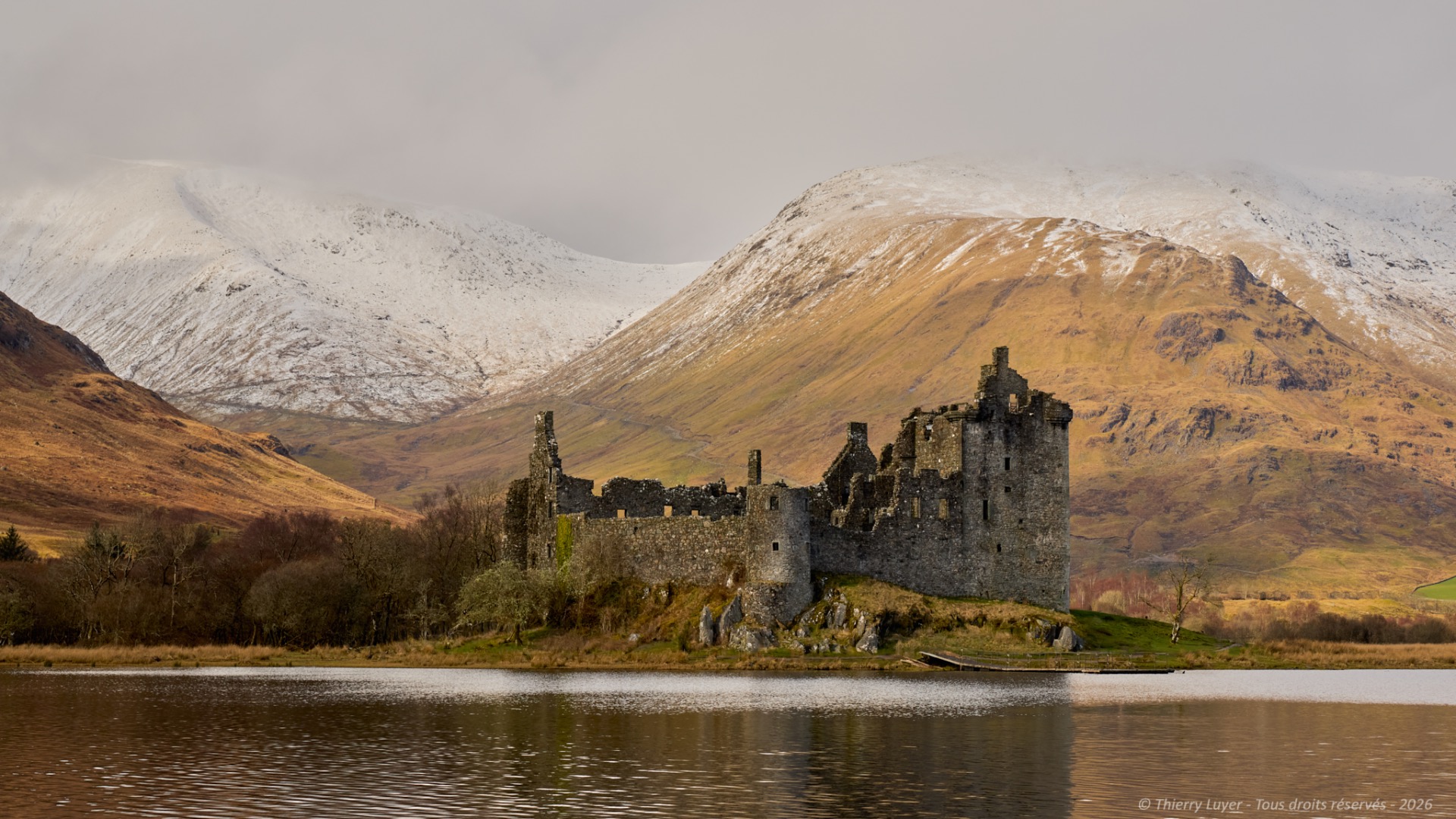
Then the day draws to a close at the legendary Kilchurn Castle. Situated on the shores of Loch Awe, this former residence of Clan Campbell, built in the mid-15th century, was struck by lightning during a fierce storm in the 18th century. Severely damaged, all that remains of the castle are ruined towers reflecting in the still waters of the loch.
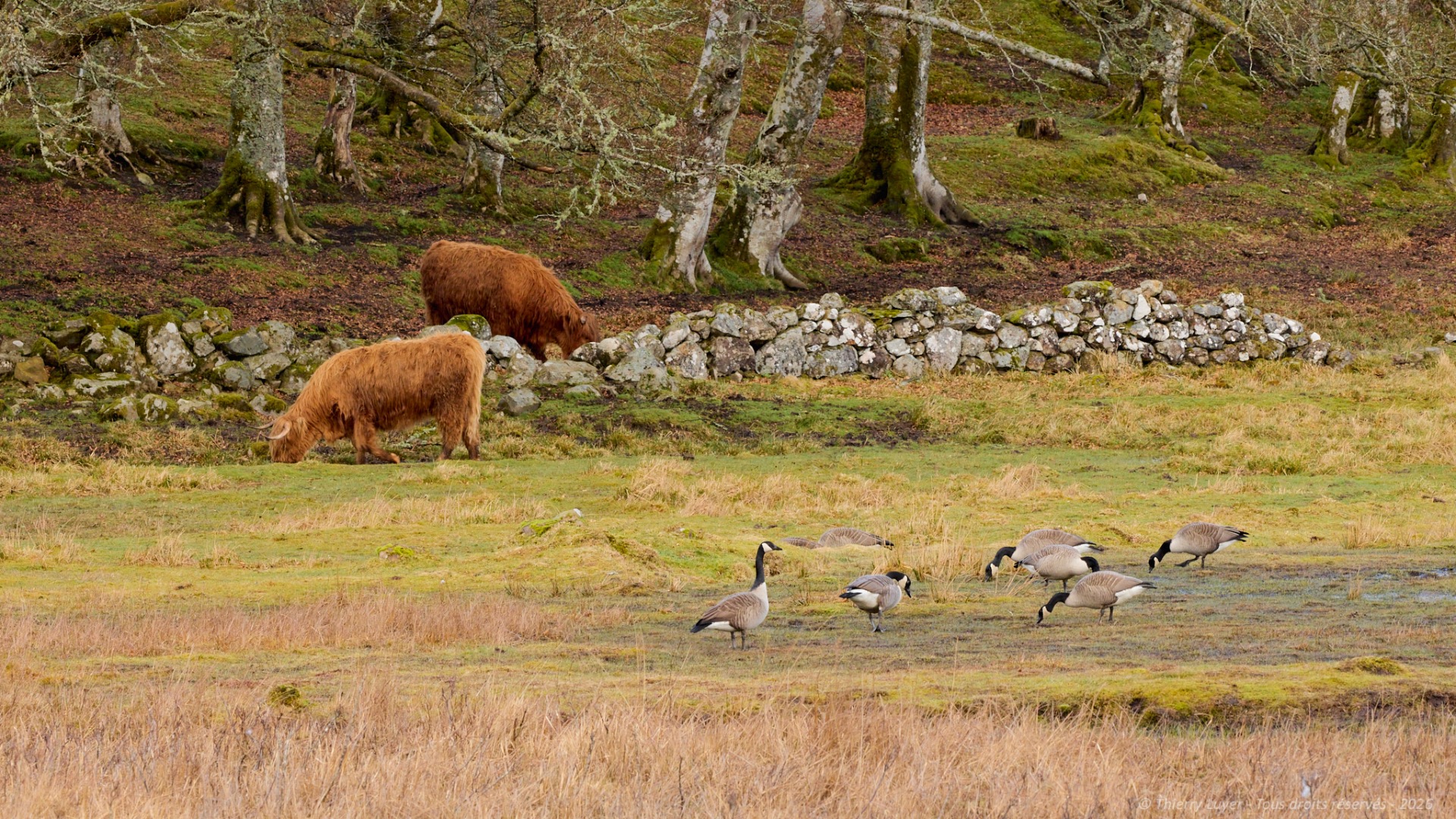
We had to cross a field in the mud and rain, amongst sheep, barnacle geese and Highland cows..., to reach the bank opposite the castle to take our photos. But the effort was well rewarded!